Can tradition conquer modernity?
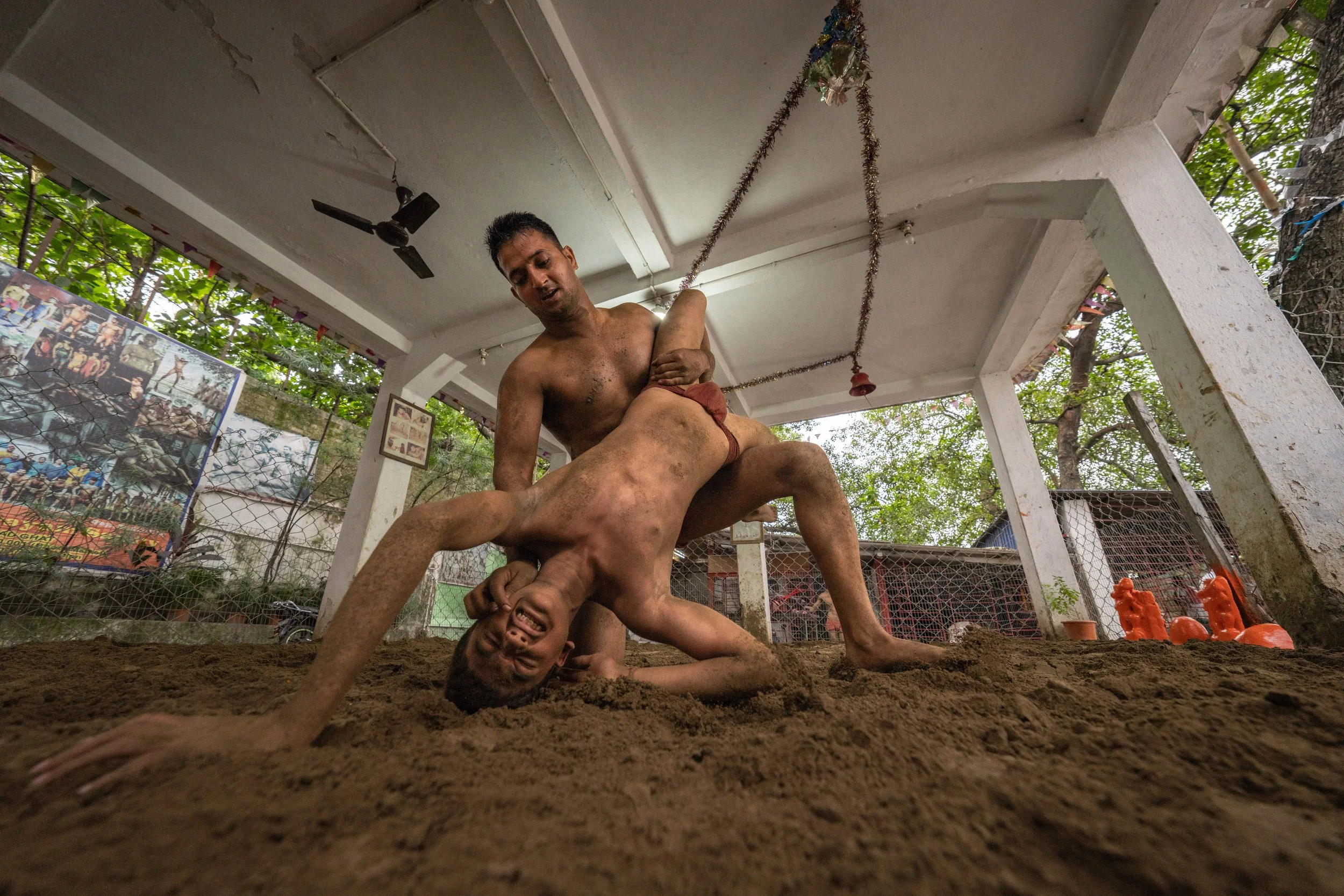
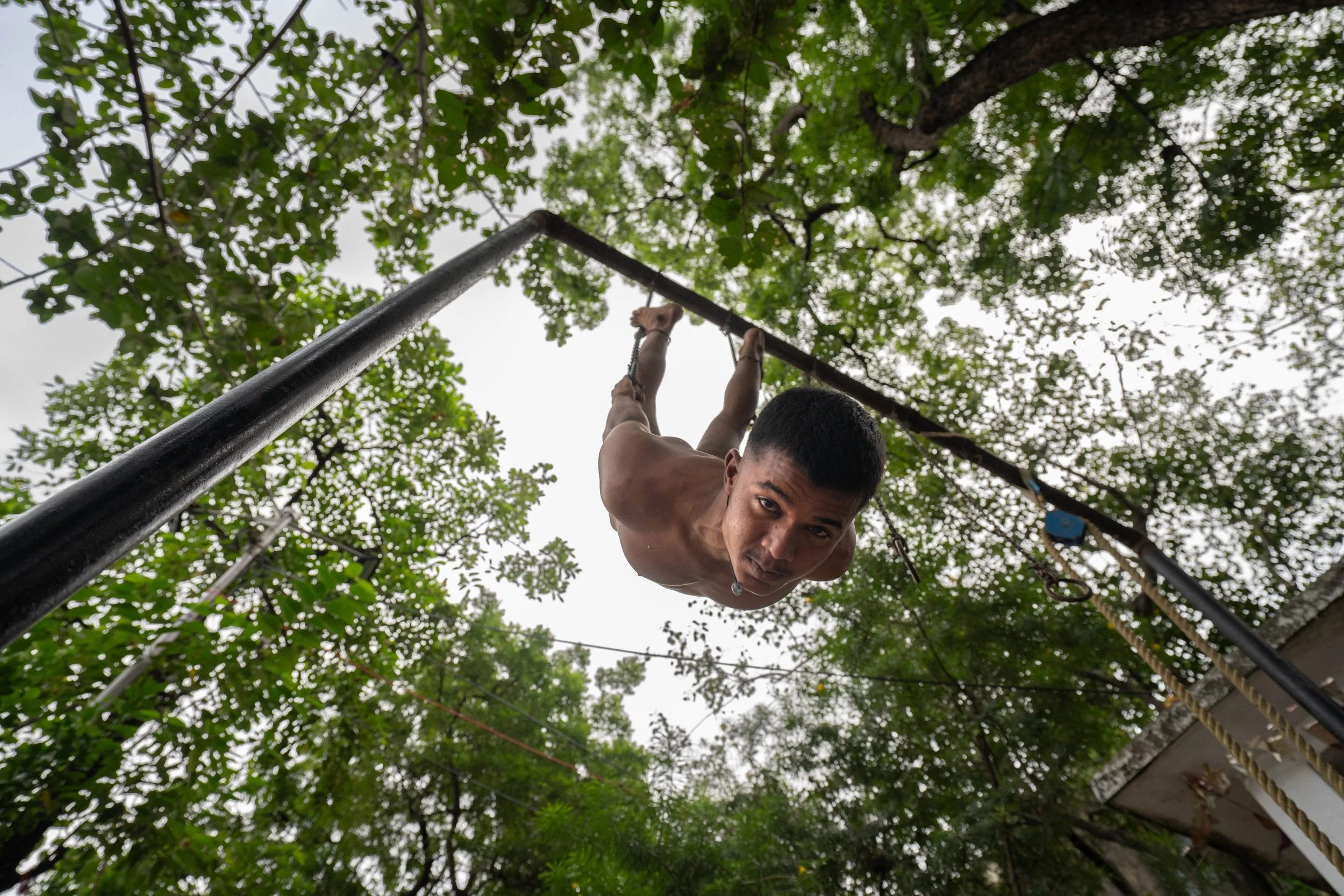
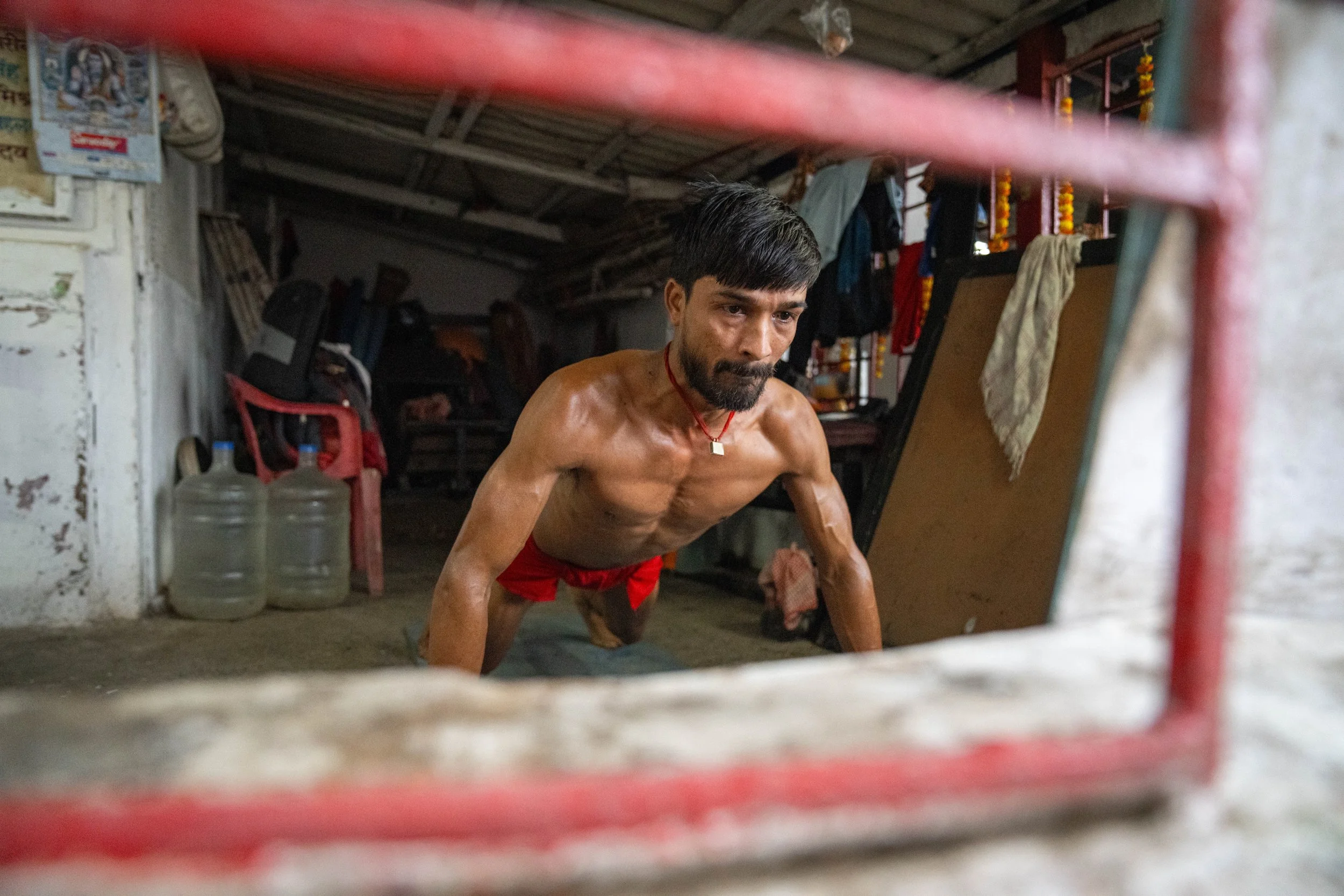
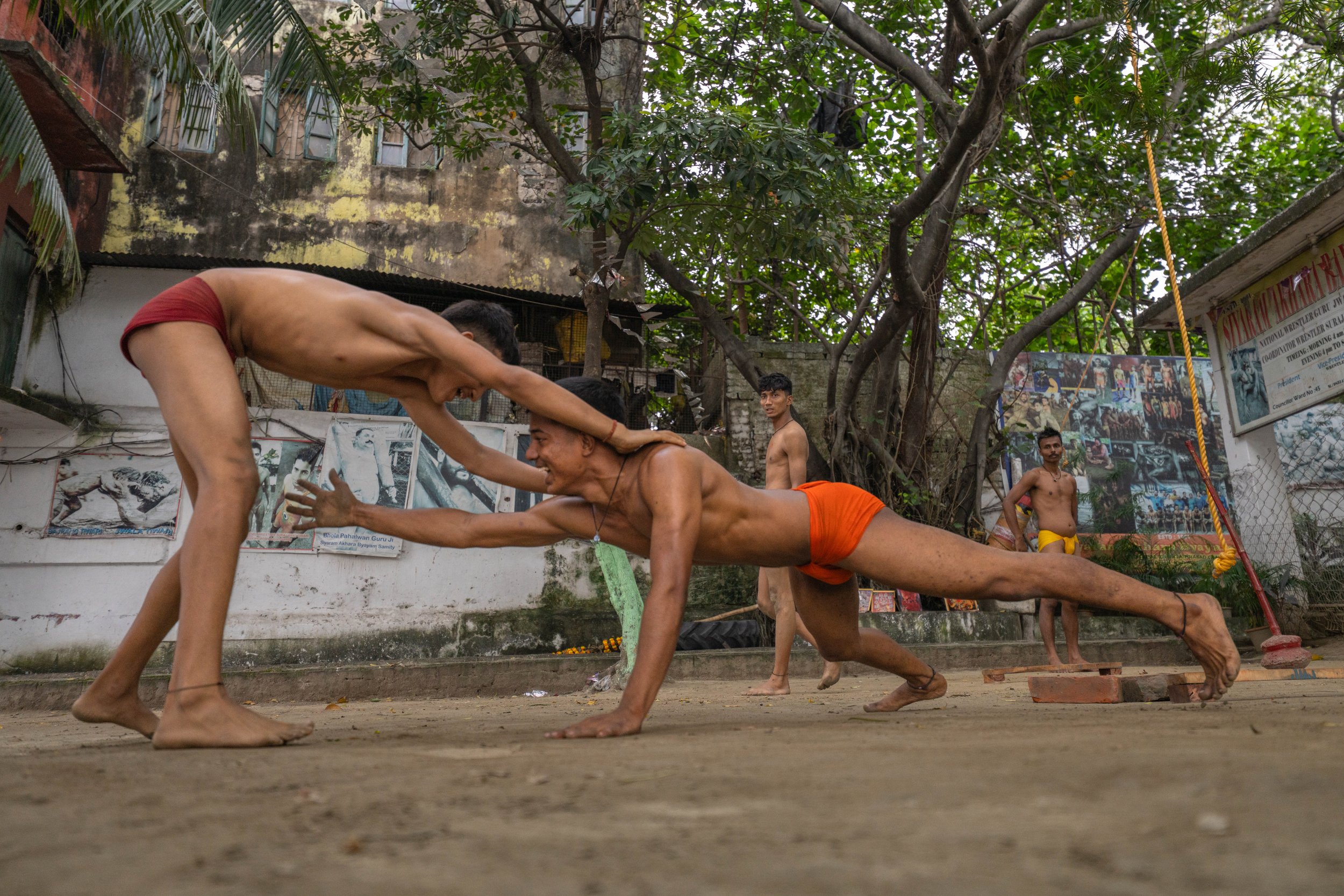
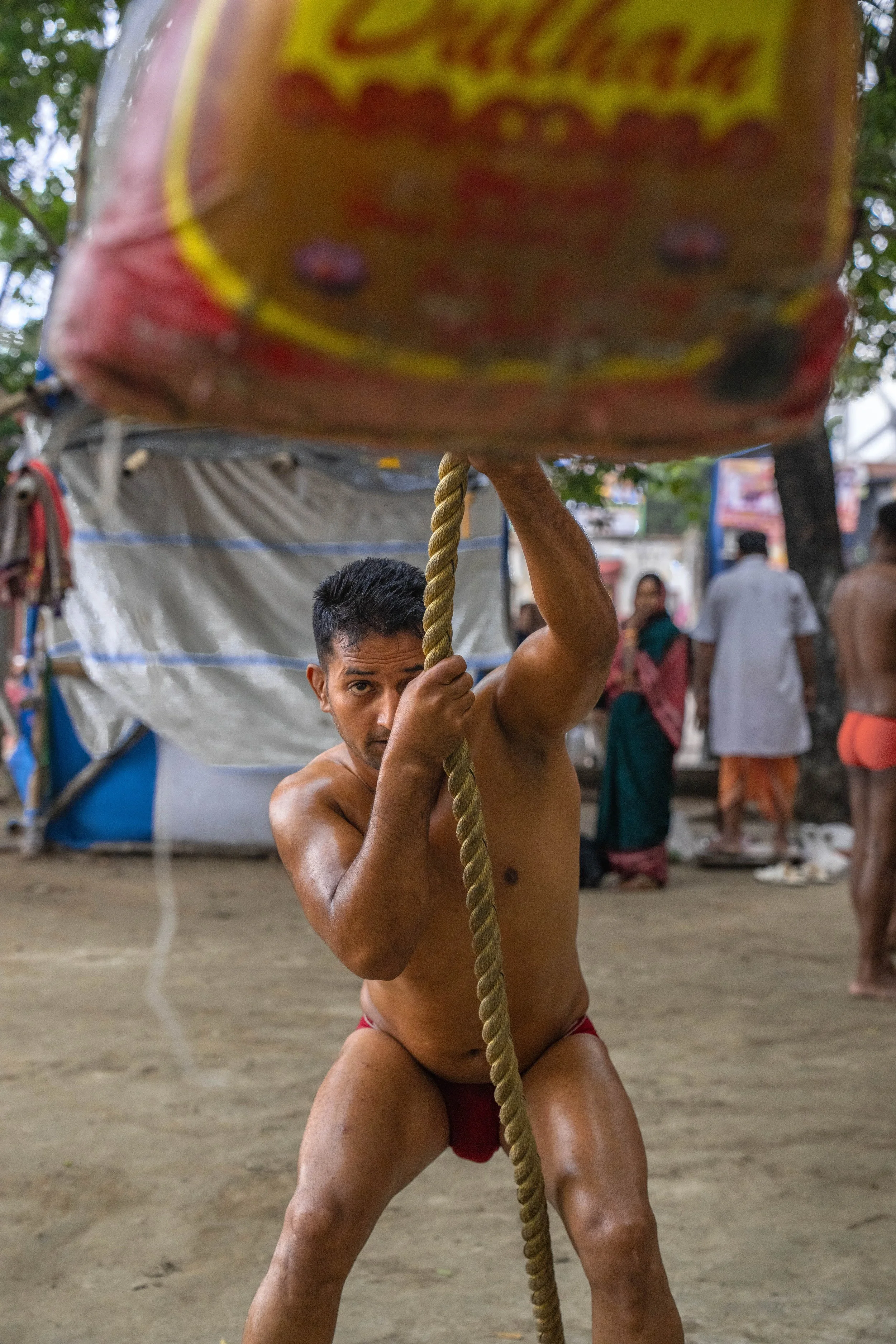
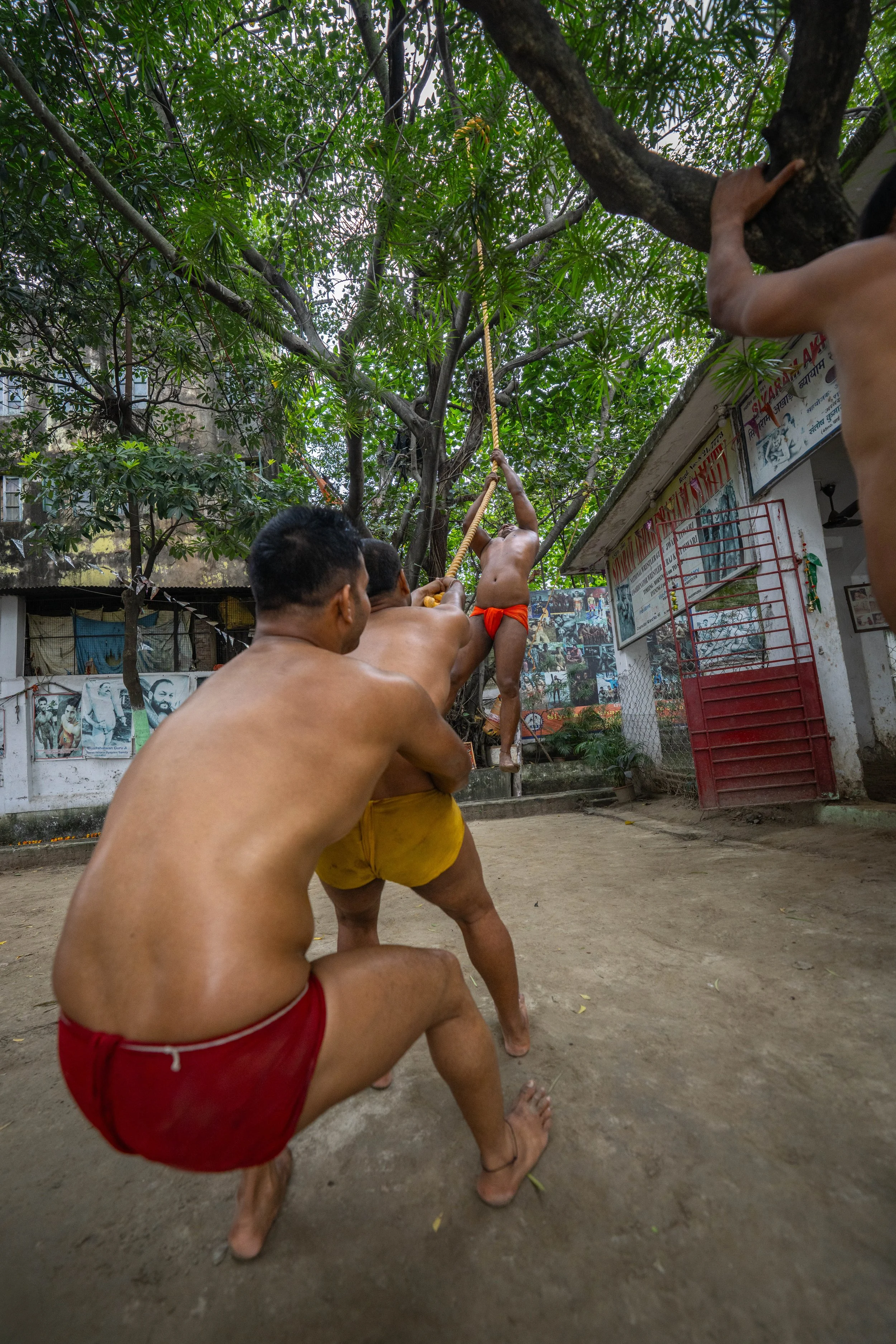
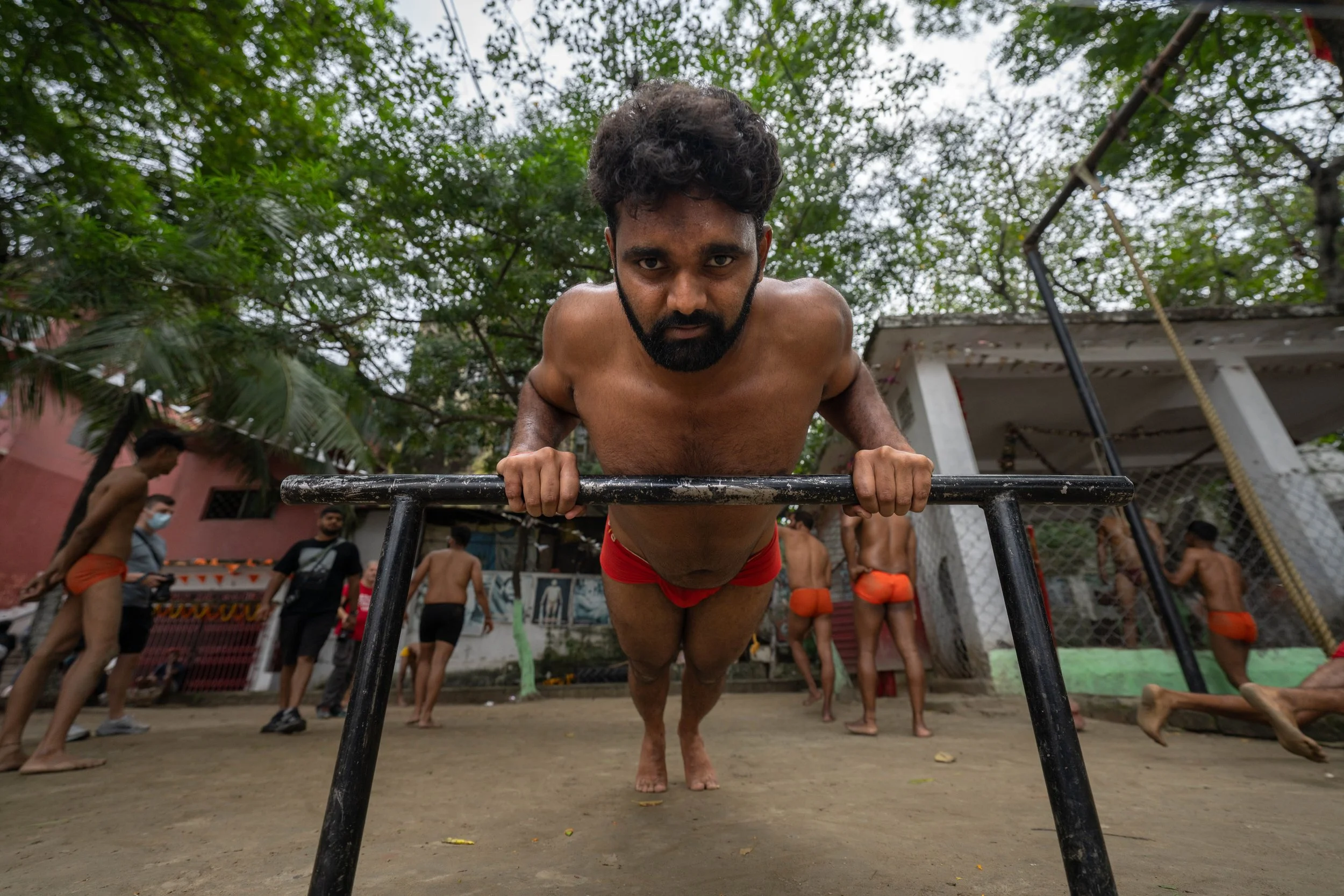
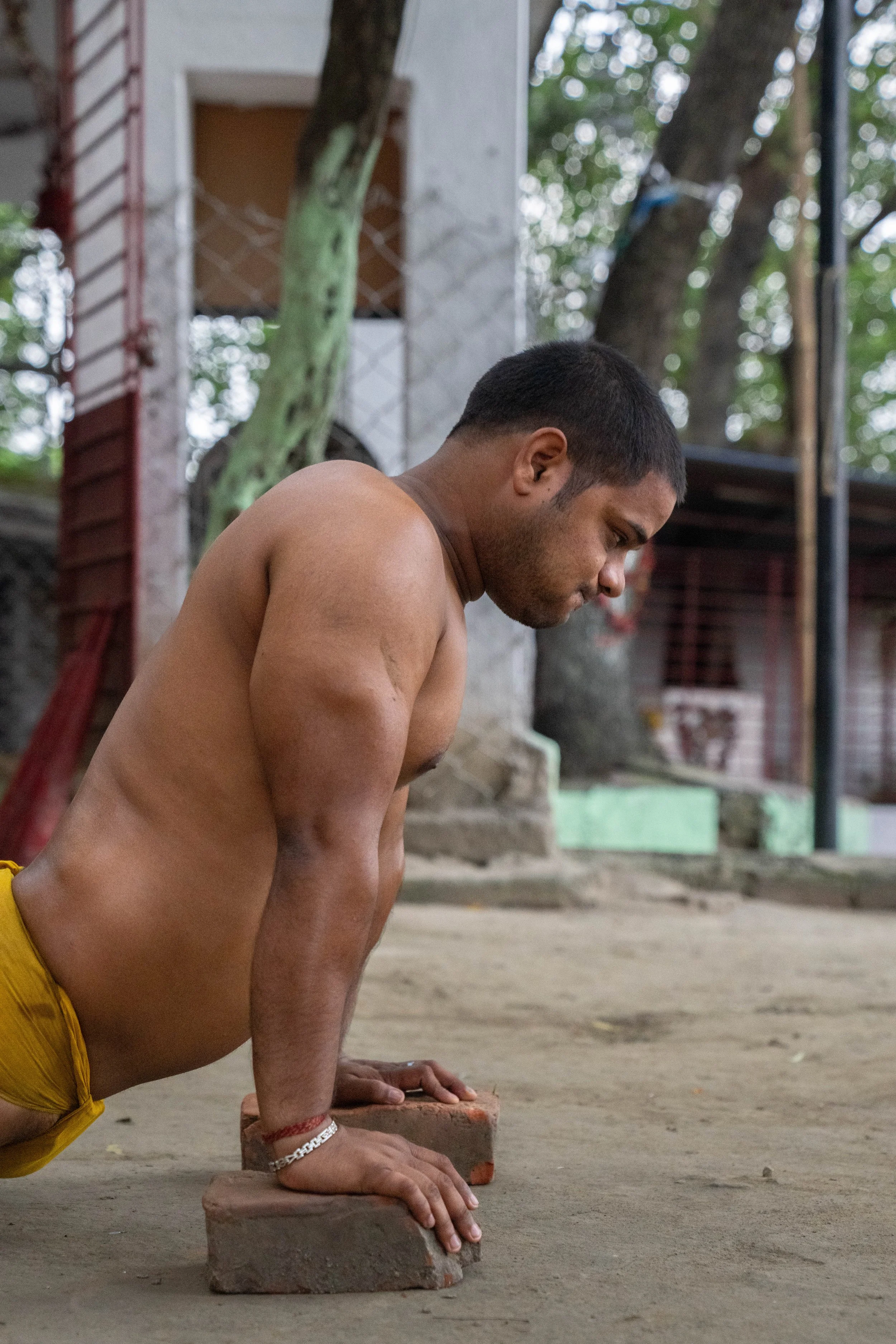
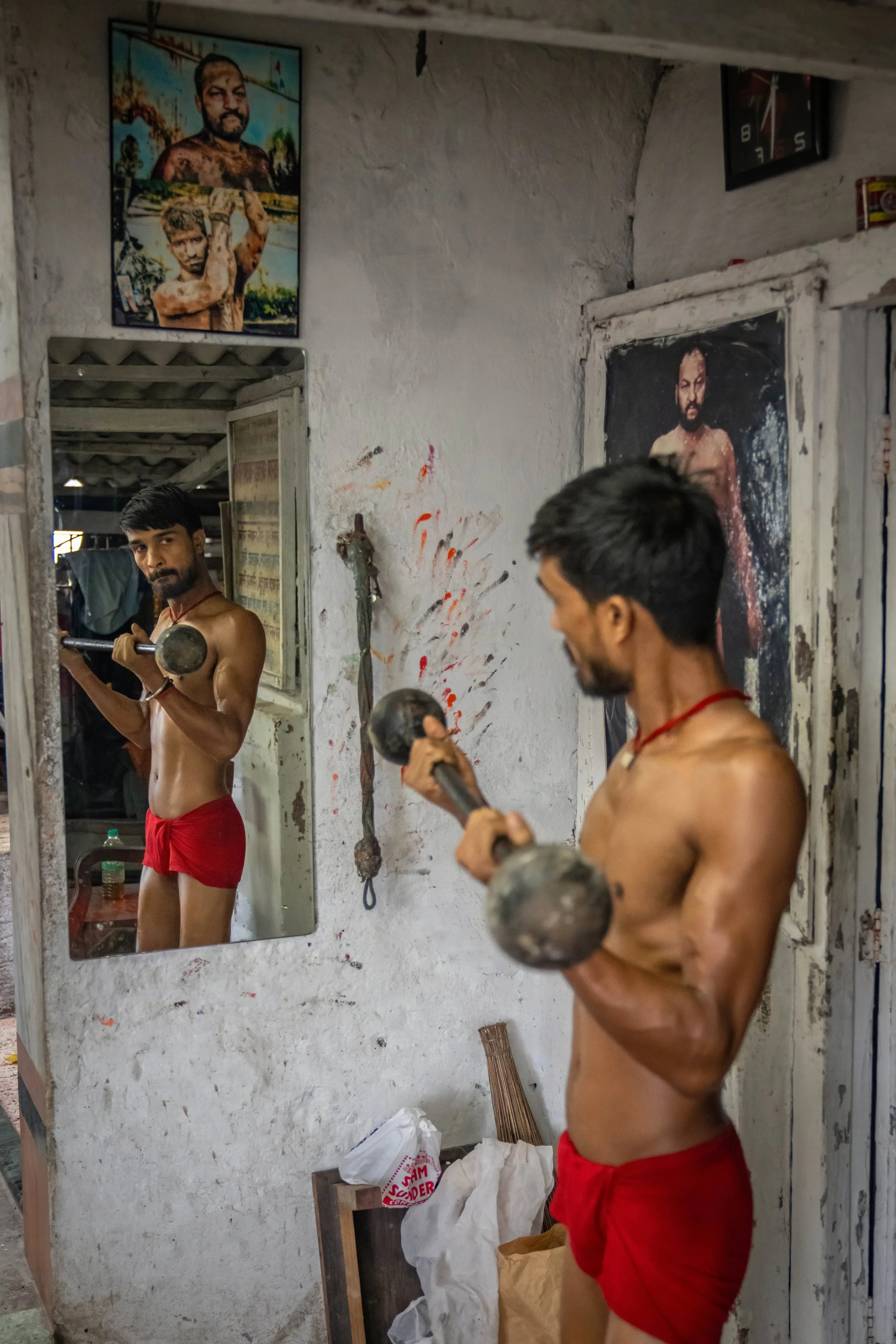
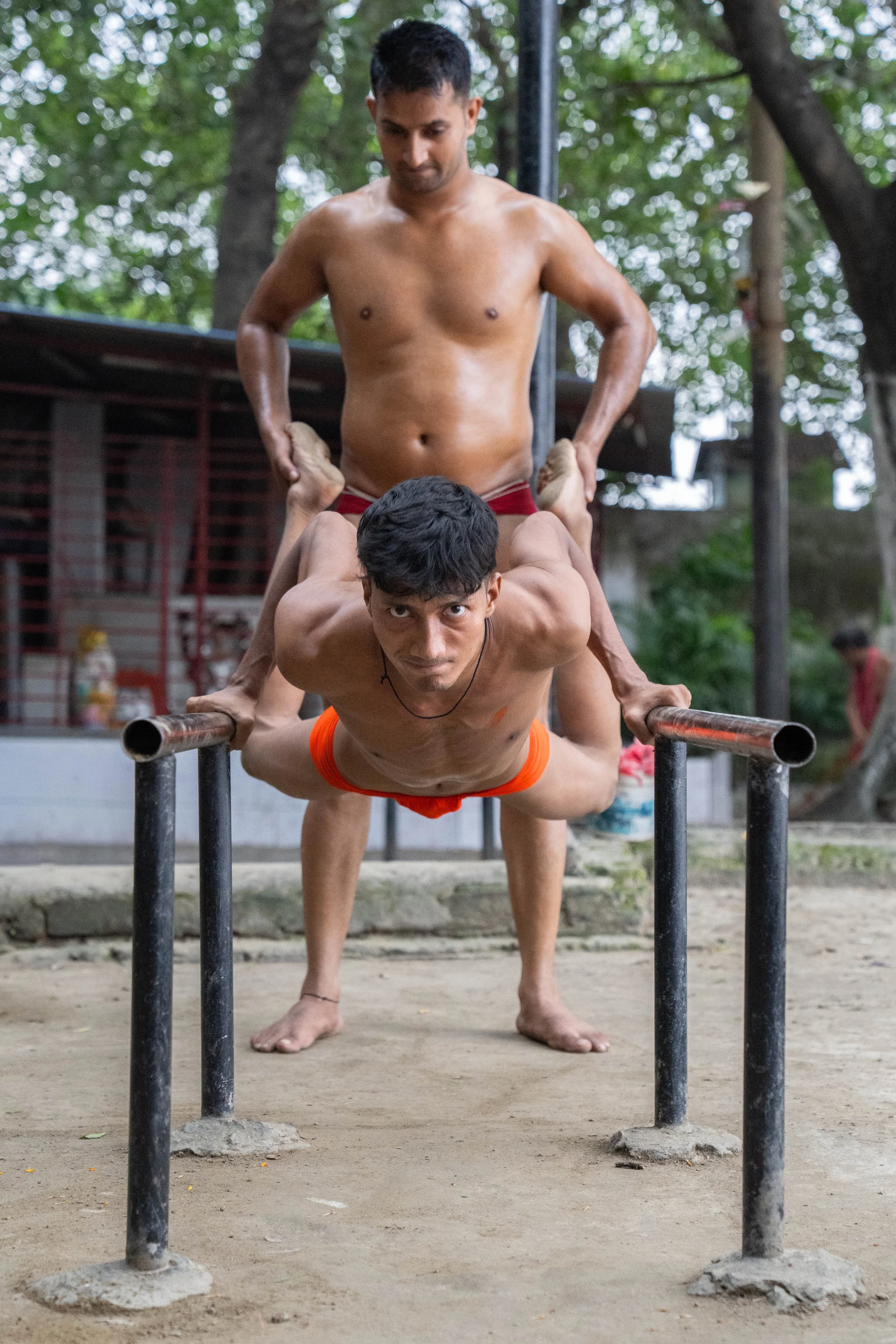
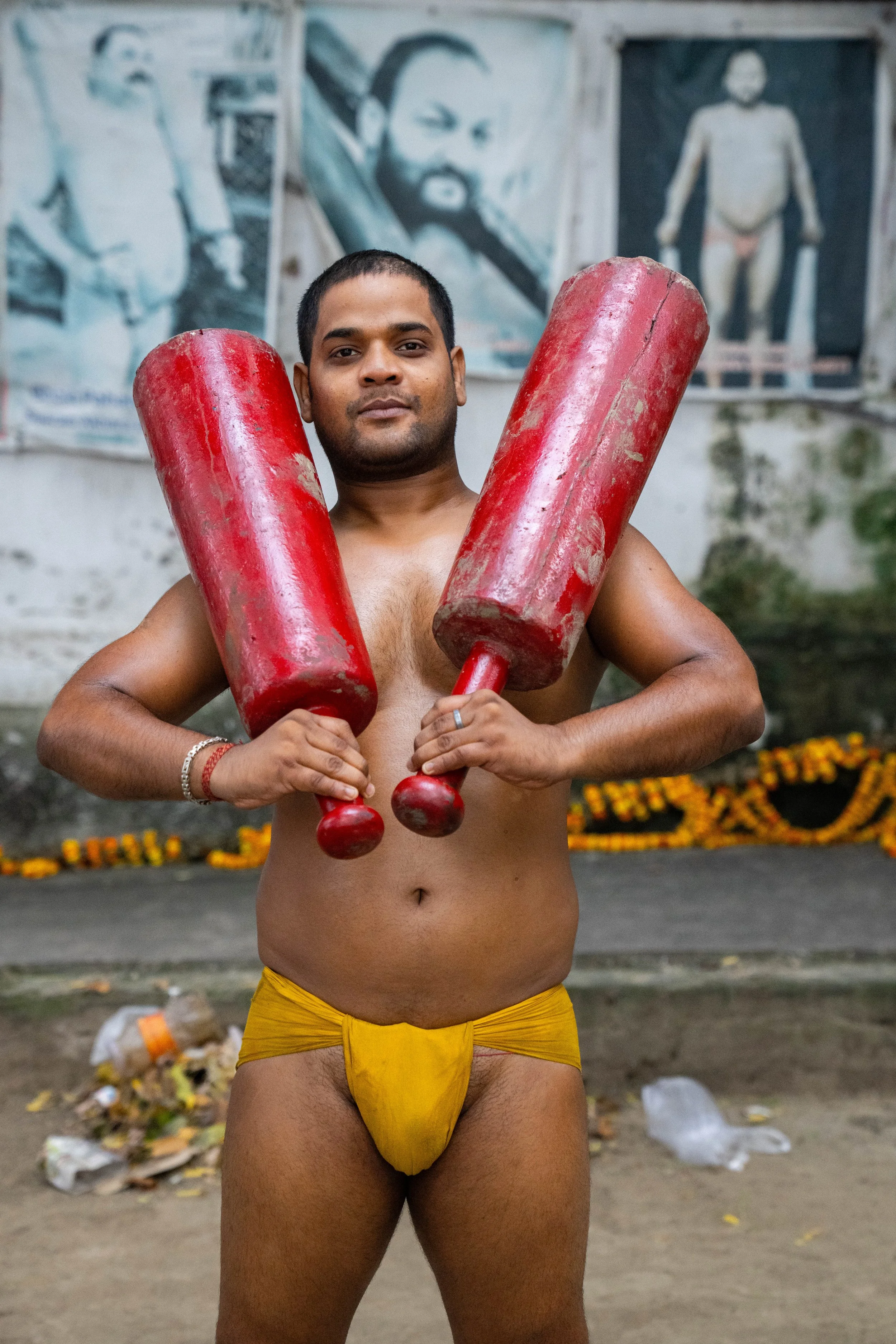
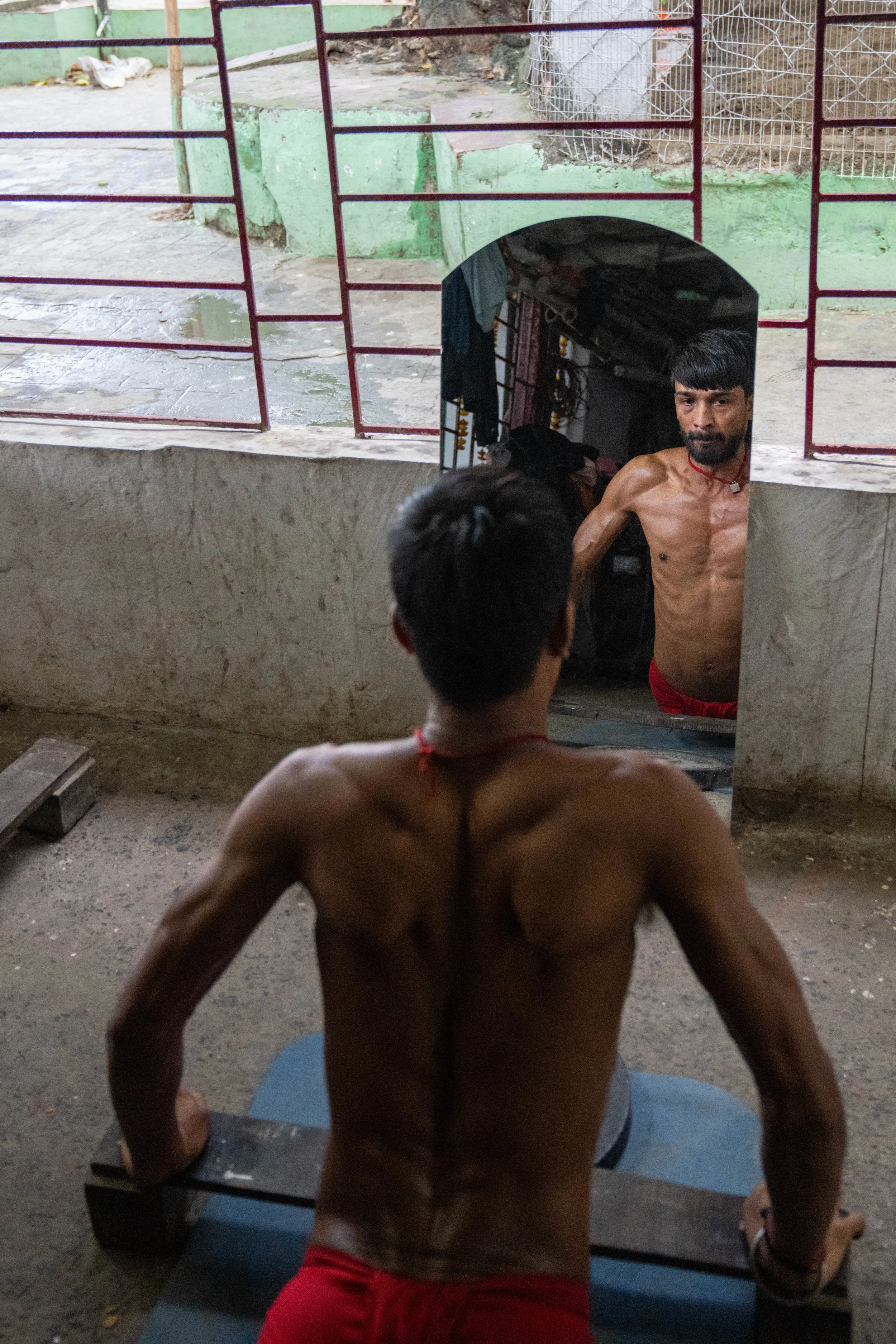
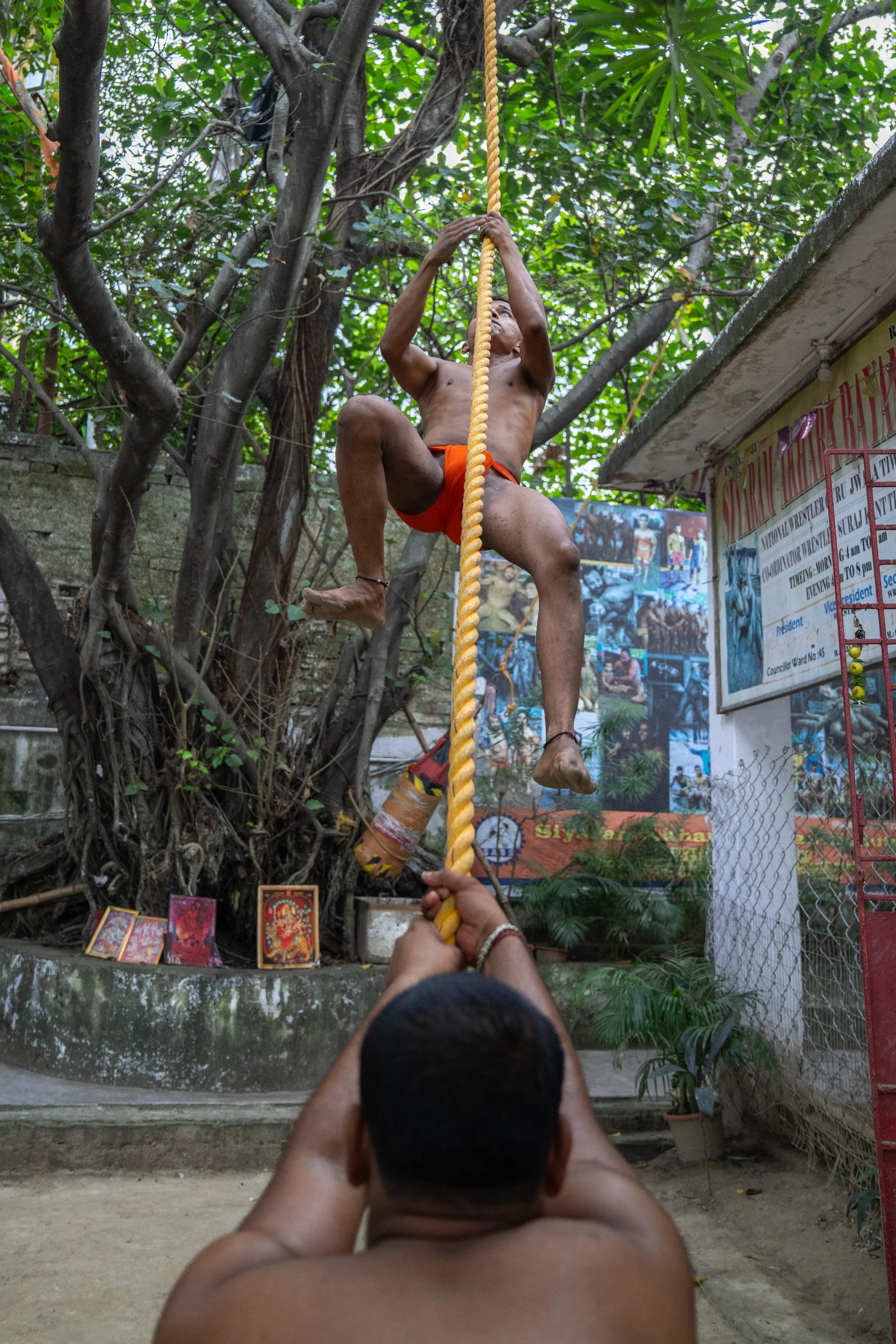
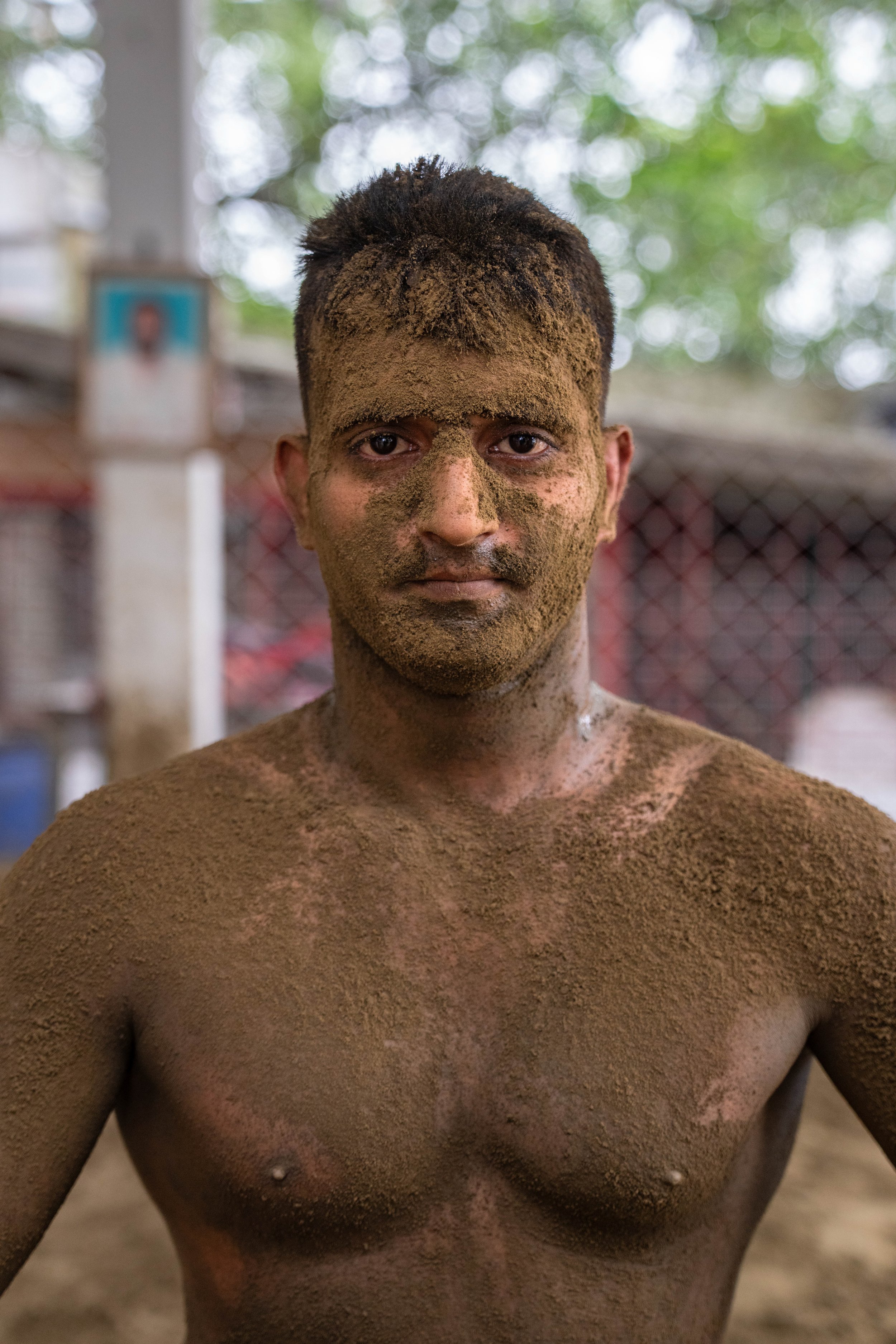
Kushti, an ancient form of wrestling dating back centuries, is practiced by pehlwans who follow strict training regimens and a rule set without point scoring—victory comes only through a pin or submission. These wrestlers embrace intense self-discipline, adhering to a demanding code of conduct and daily routines. To many, Kushti is not just a sport but a vital part of cultural heritage and even a spiritual pursuit.
Despite the deep admiration many Indians have for Kushti, the sport faces growing pressure from modernization. Where traditional akharas—the iconic mud wrestling pits—once dominated, modern facilities with mats now stand. This shift is largely driven by aspirations to compete internationally, especially in the Olympics, where new rules and methods must be adopted. Yet amid this evolution, some wrestlers choose to resist, remaining devoted to the traditional ways.
We were fortunate to spend a morning at Kolkata’s most active akhara. Whether Kushti will withstand its decline as more athletes transition to modern formats remains uncertain, but for now, the tradition endures—passed on with pride through the pehlwans of Kolkata.