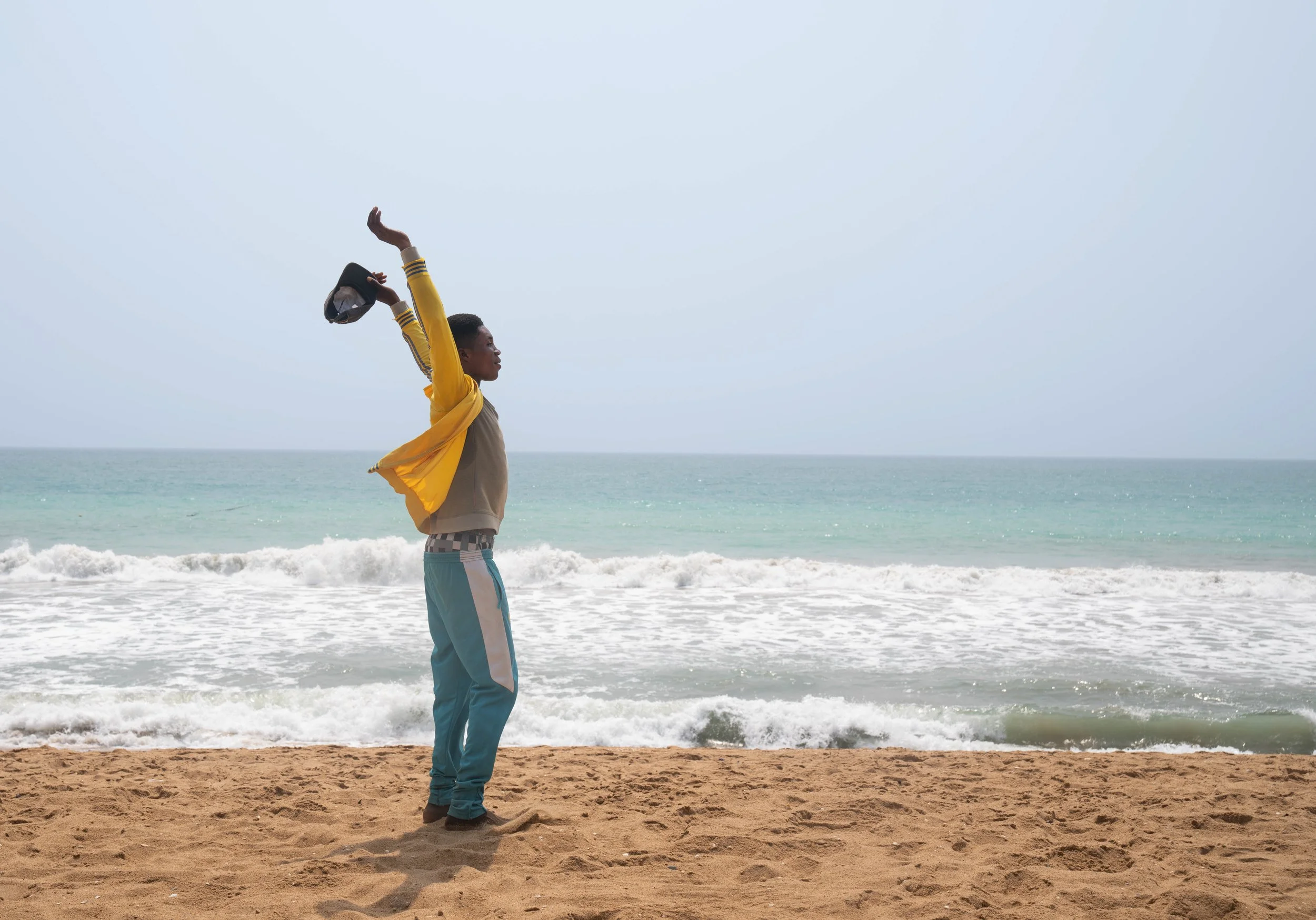
It’s not easy work, but it’s not just a job. It’s their past, their present, and their very identity.
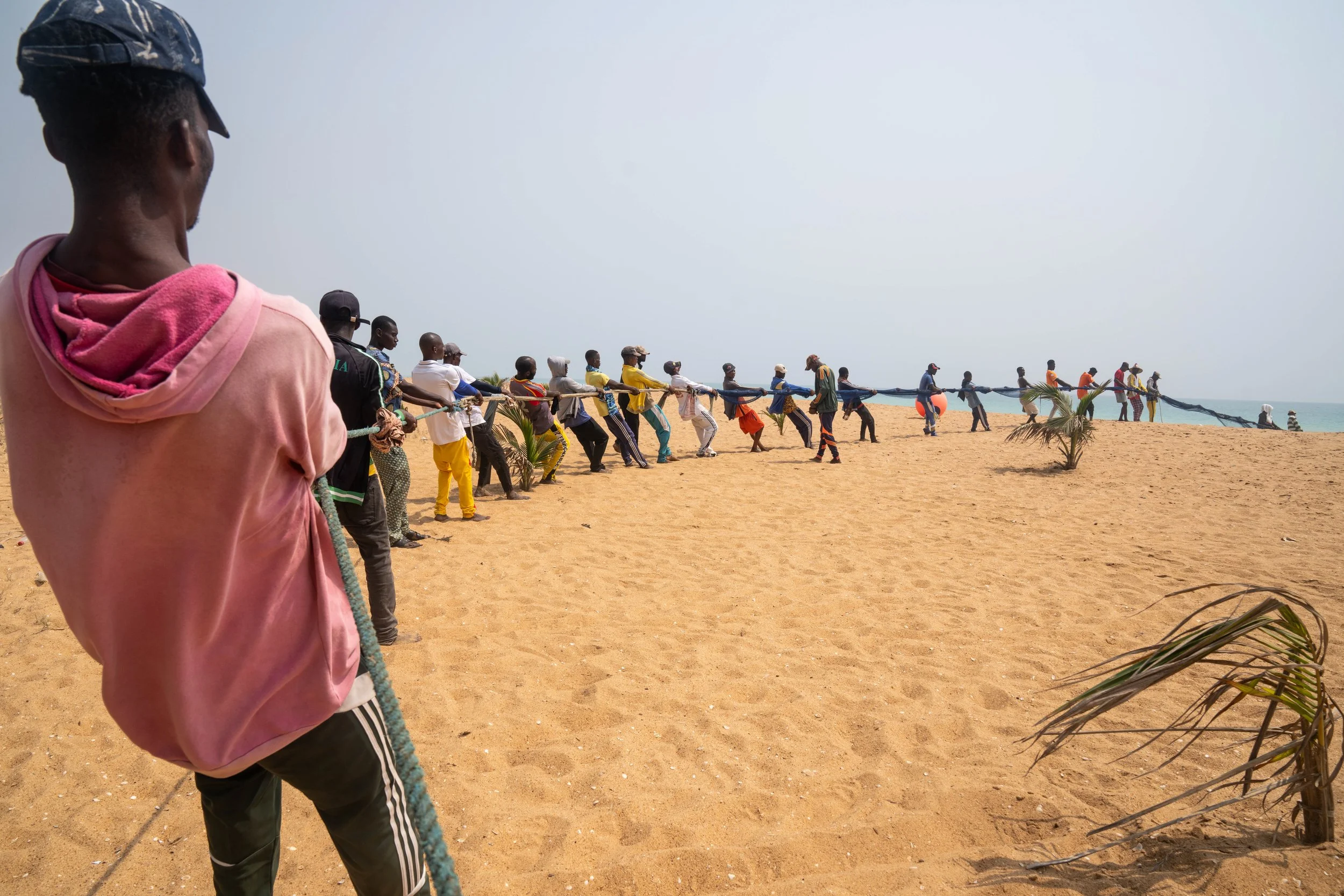
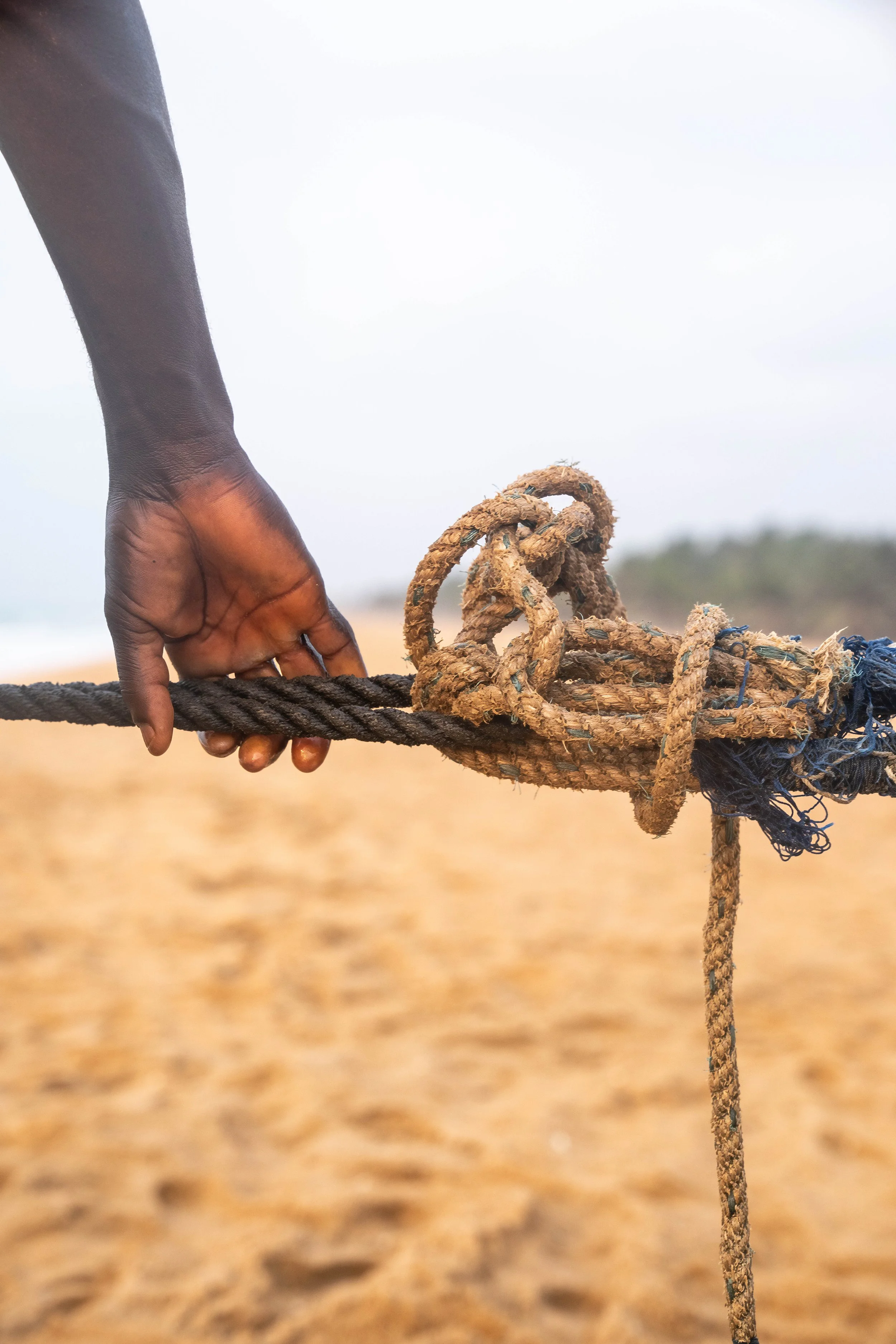
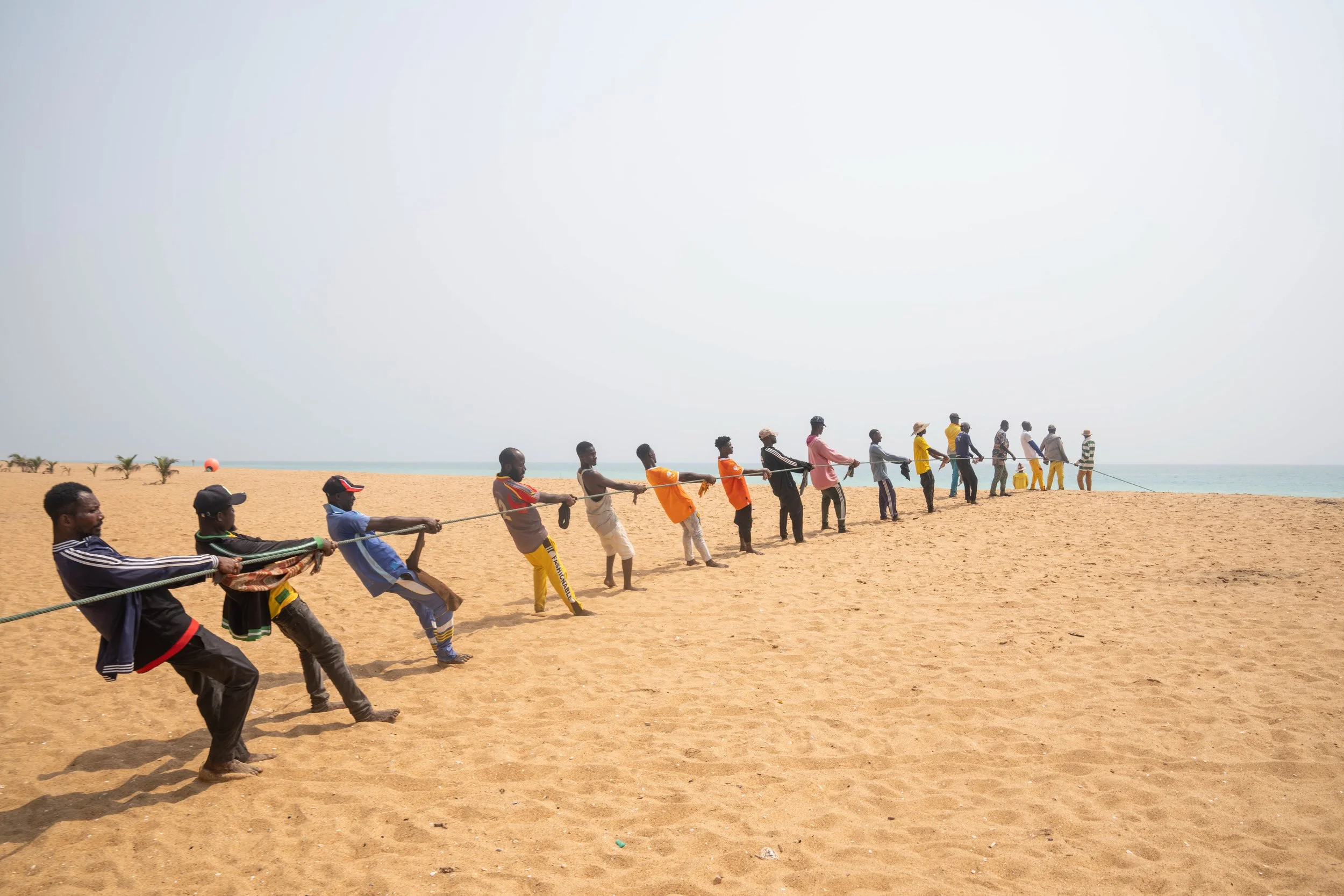
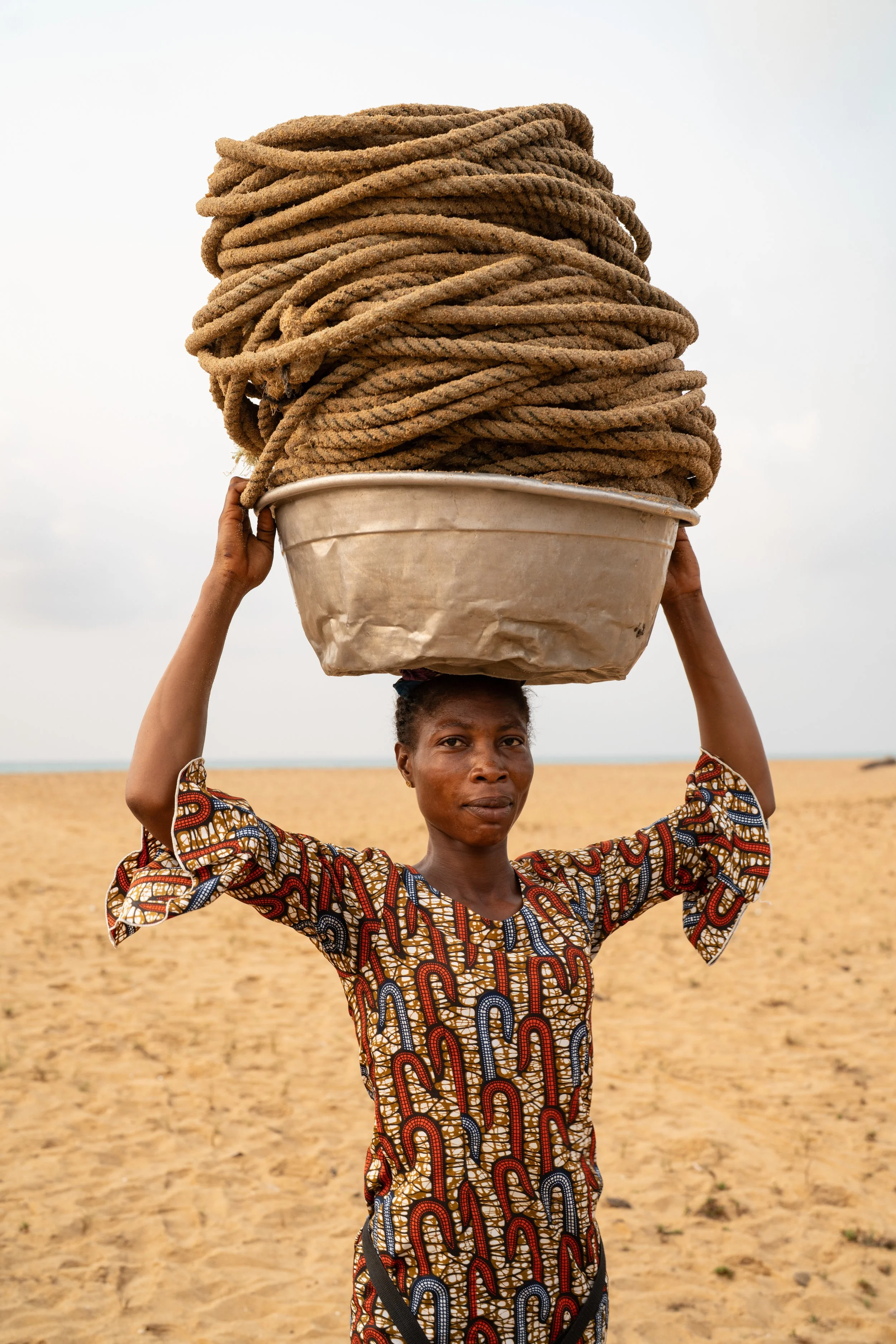
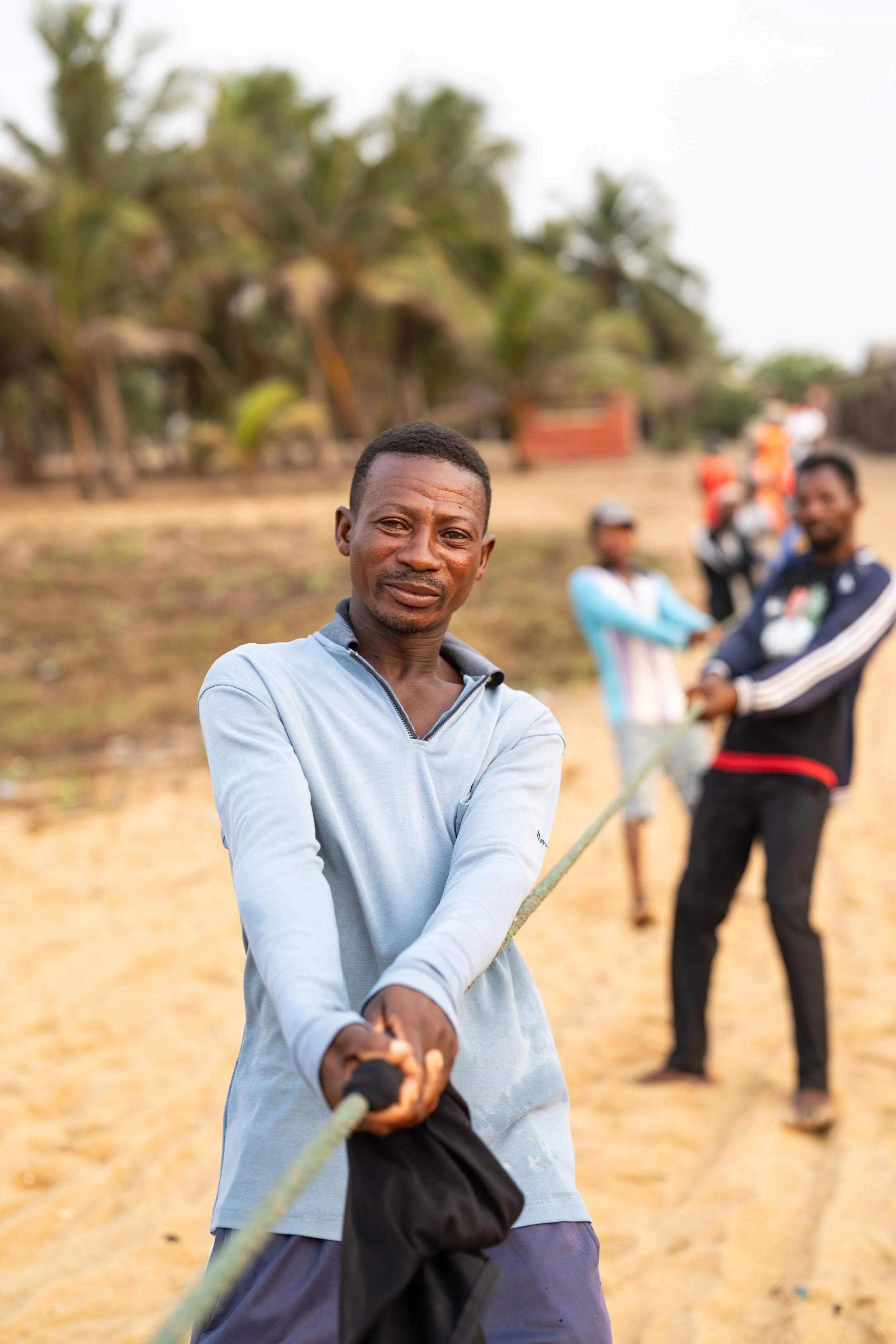
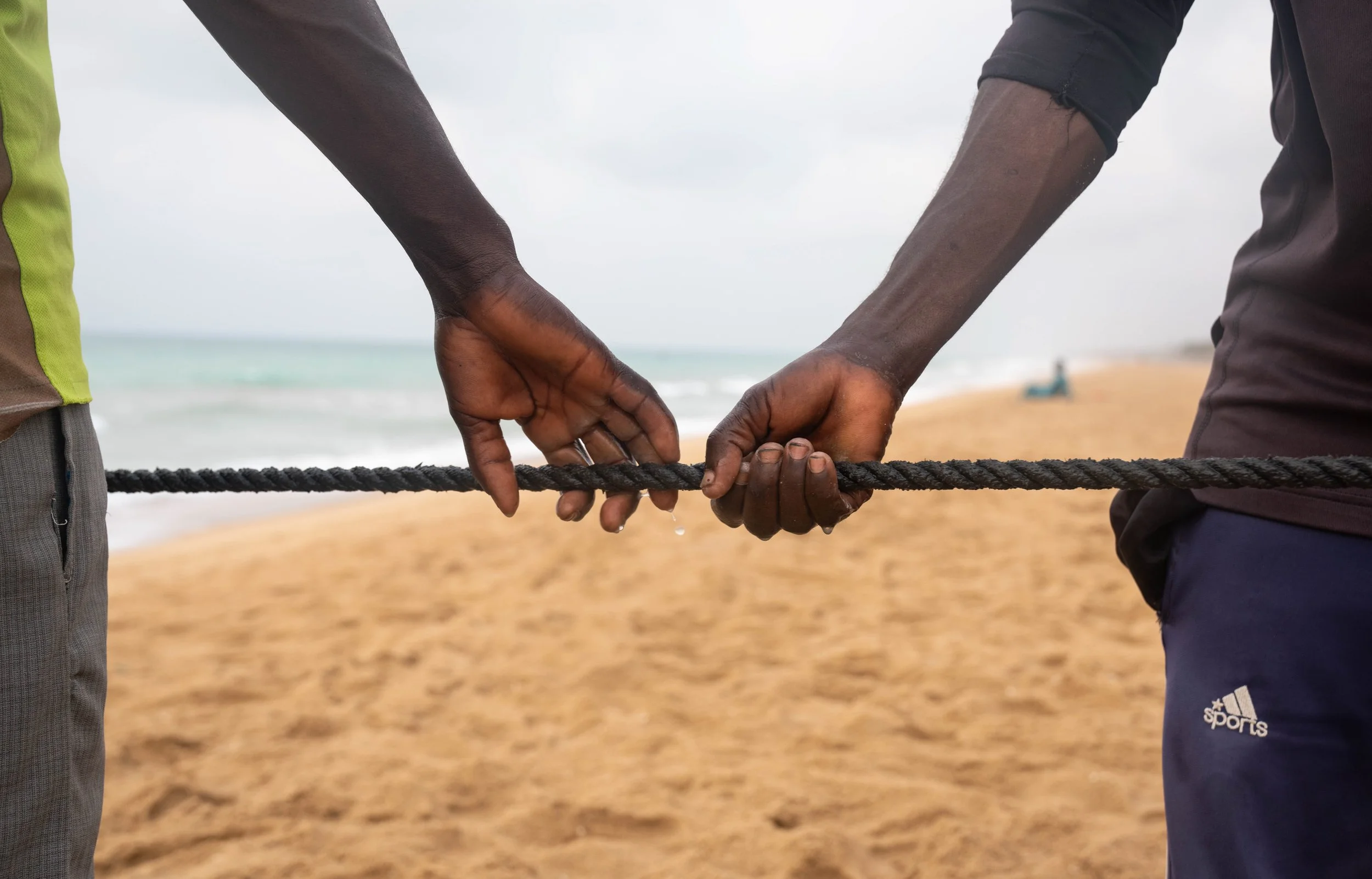
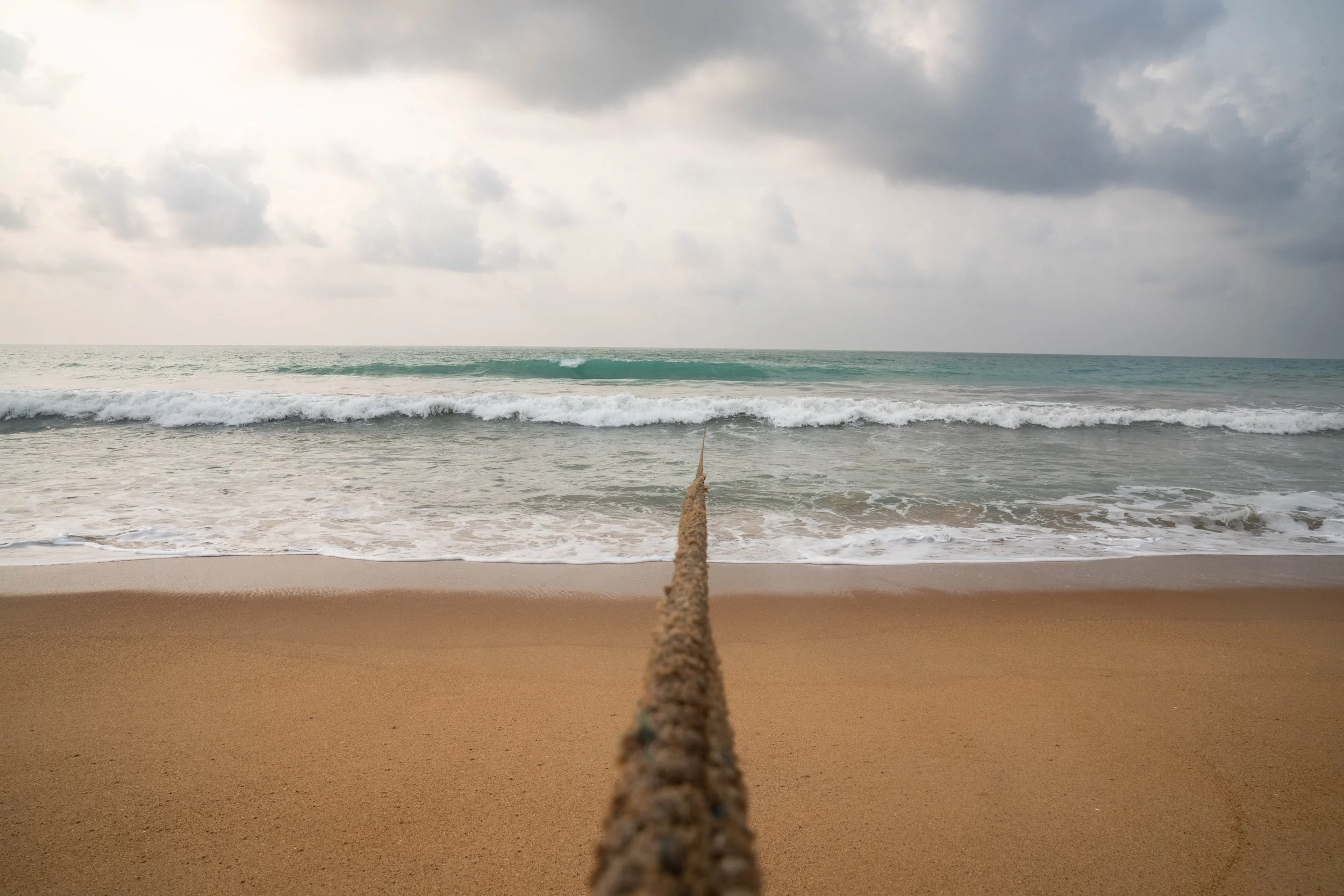
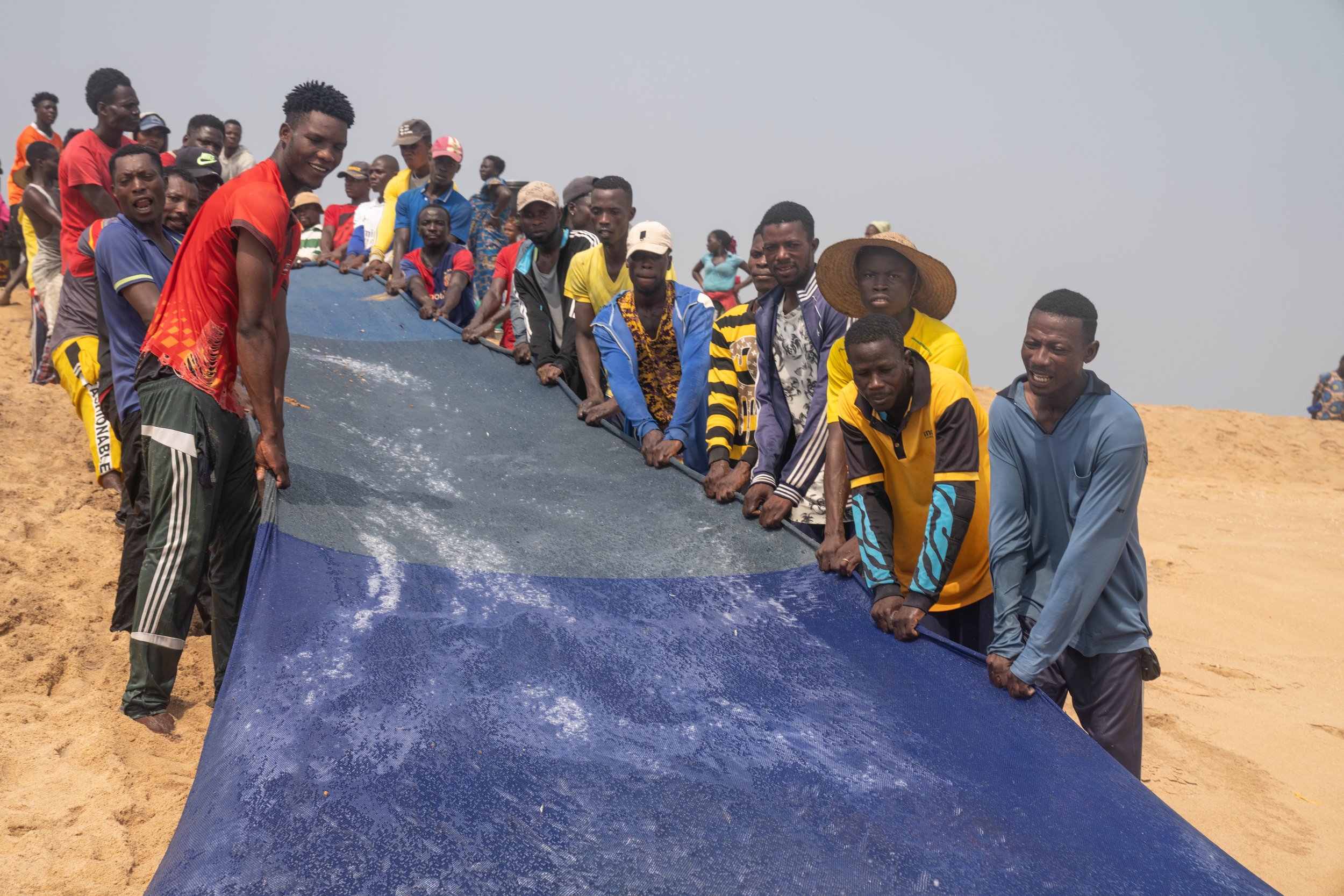
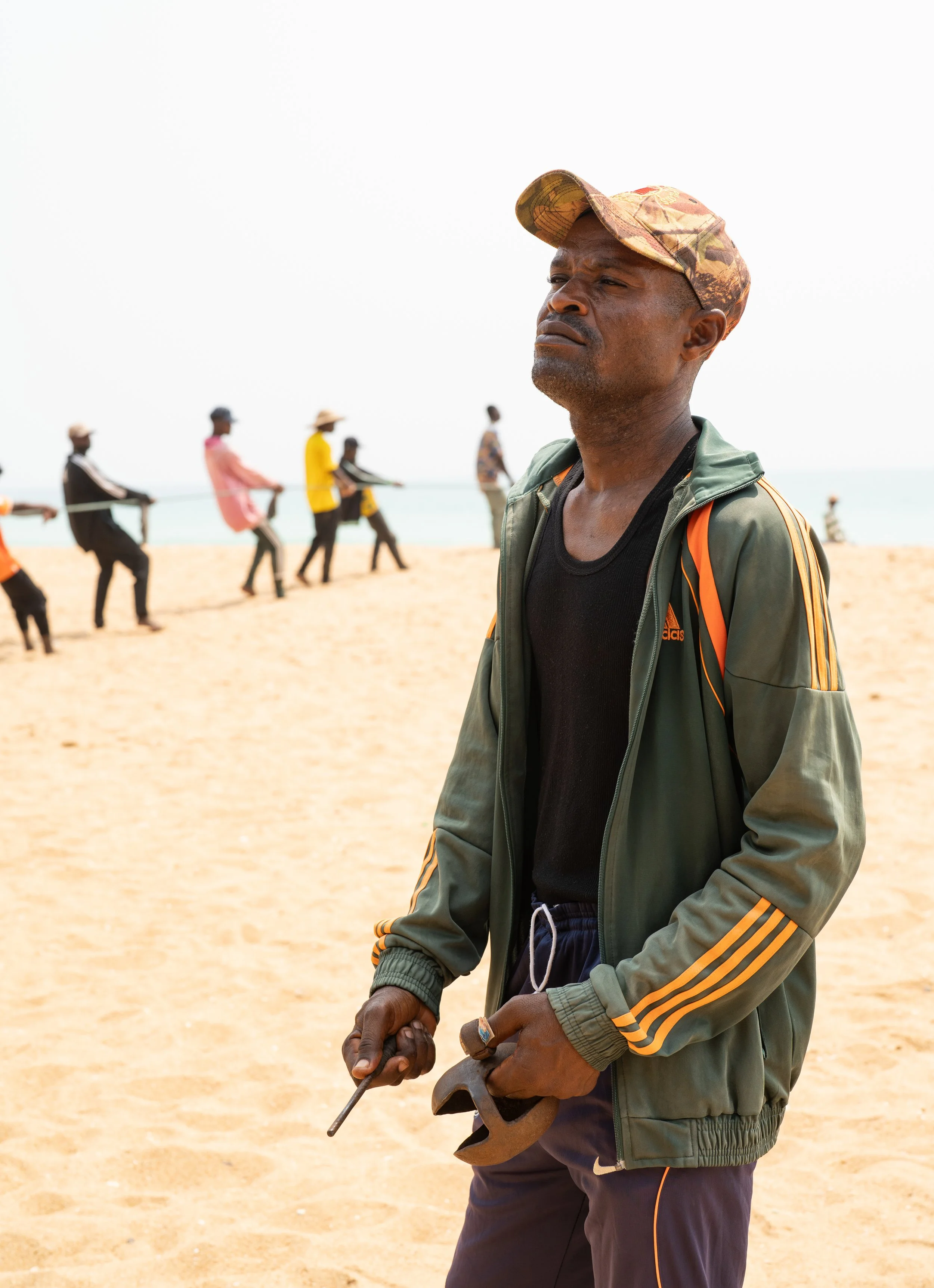
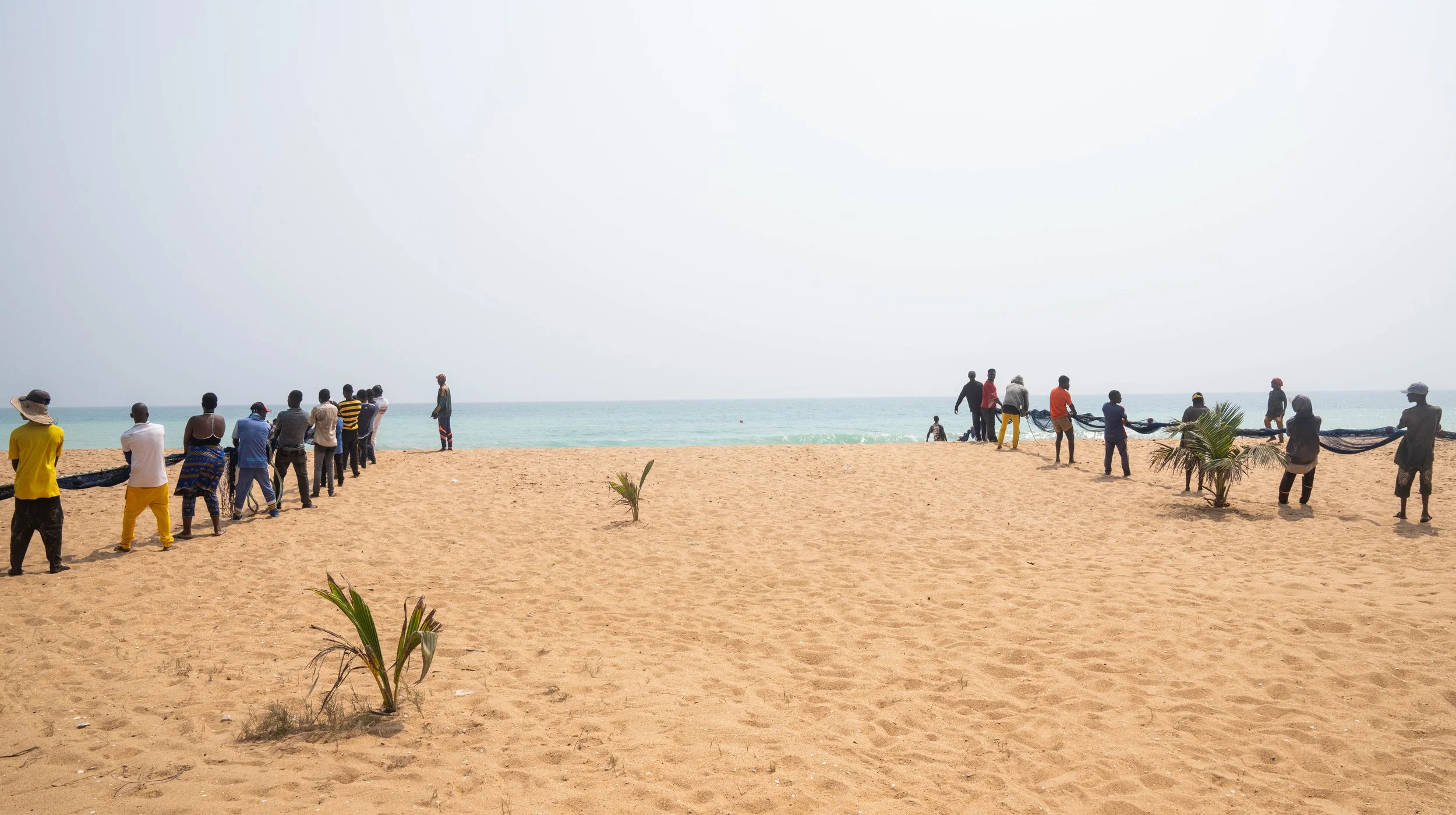
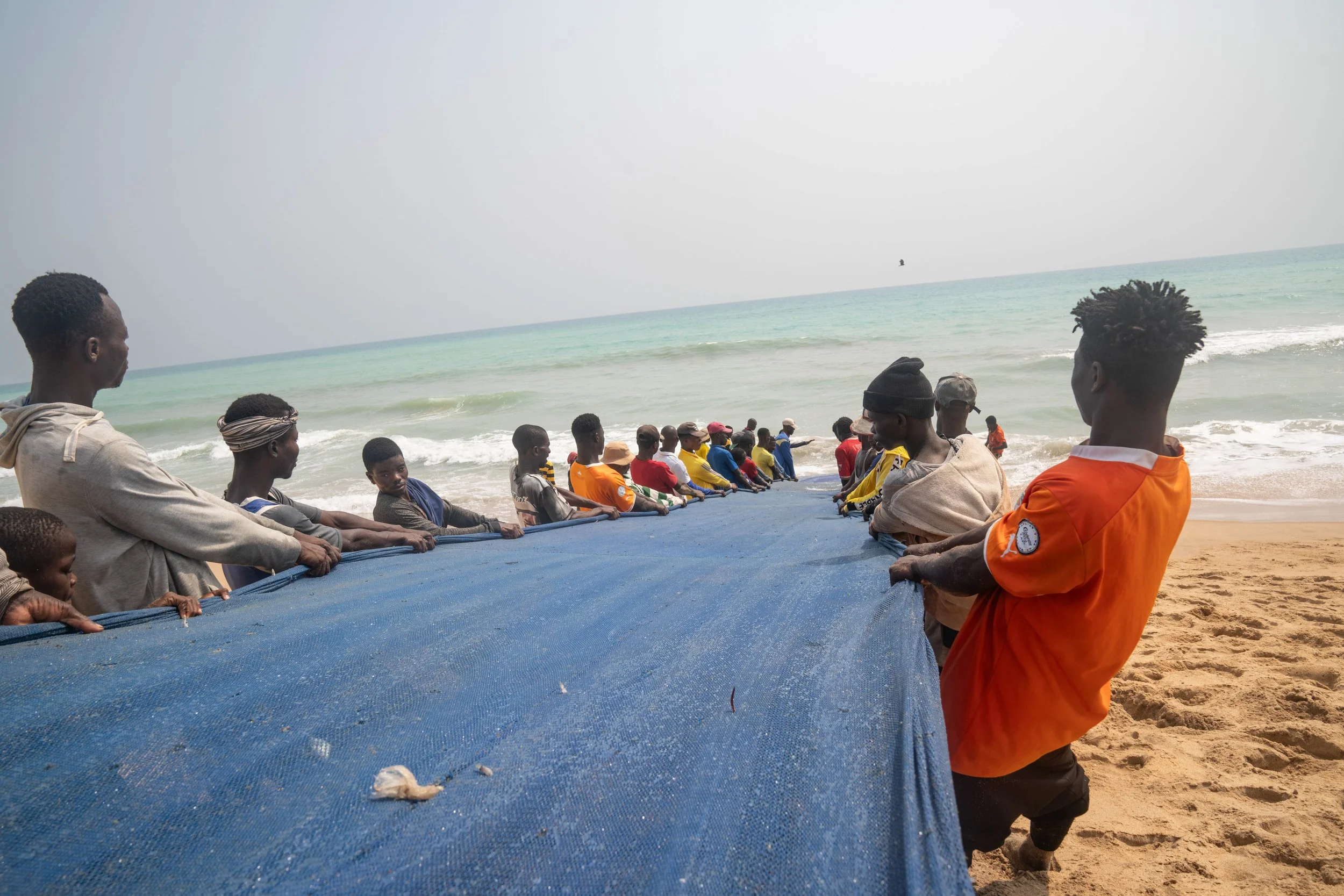
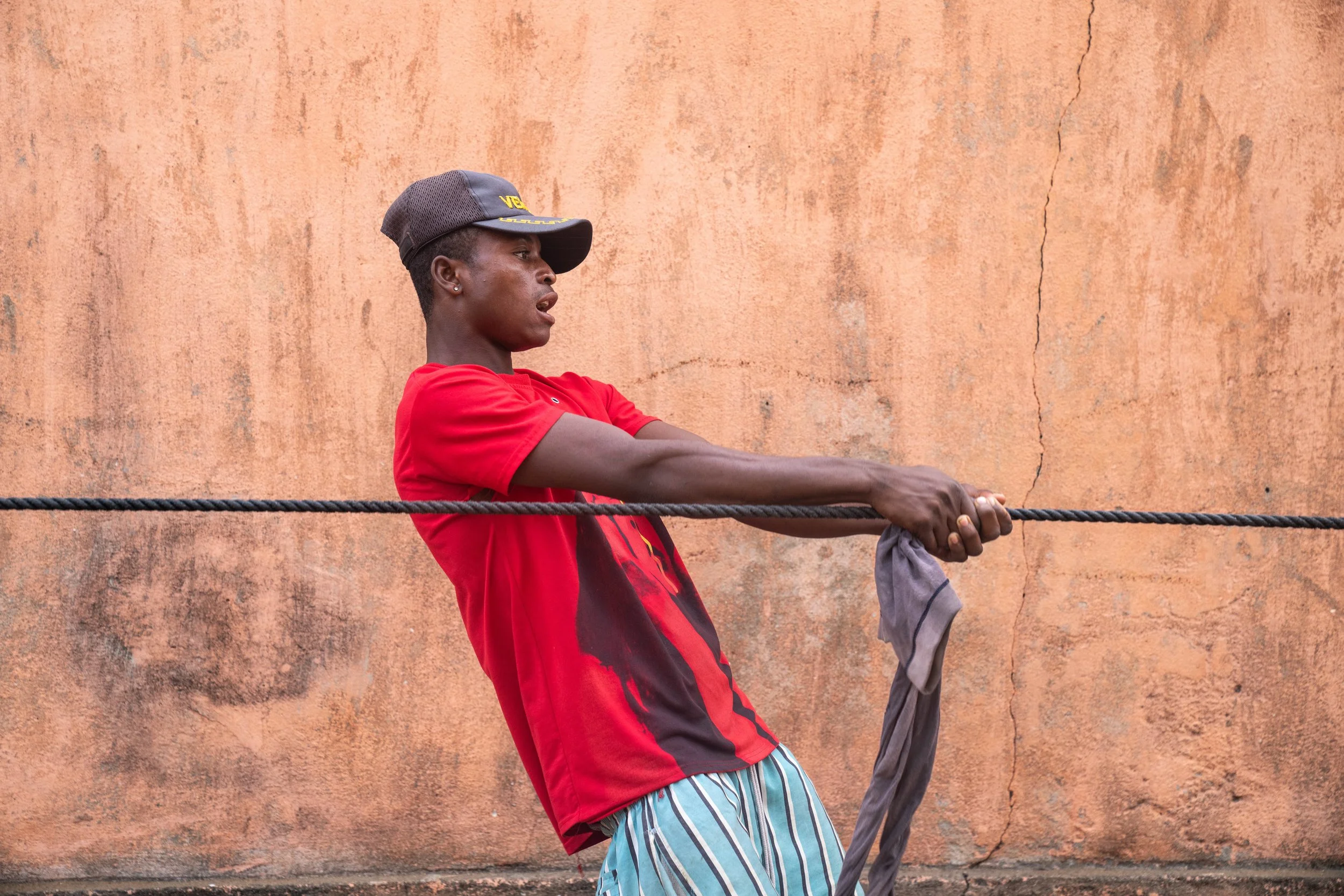
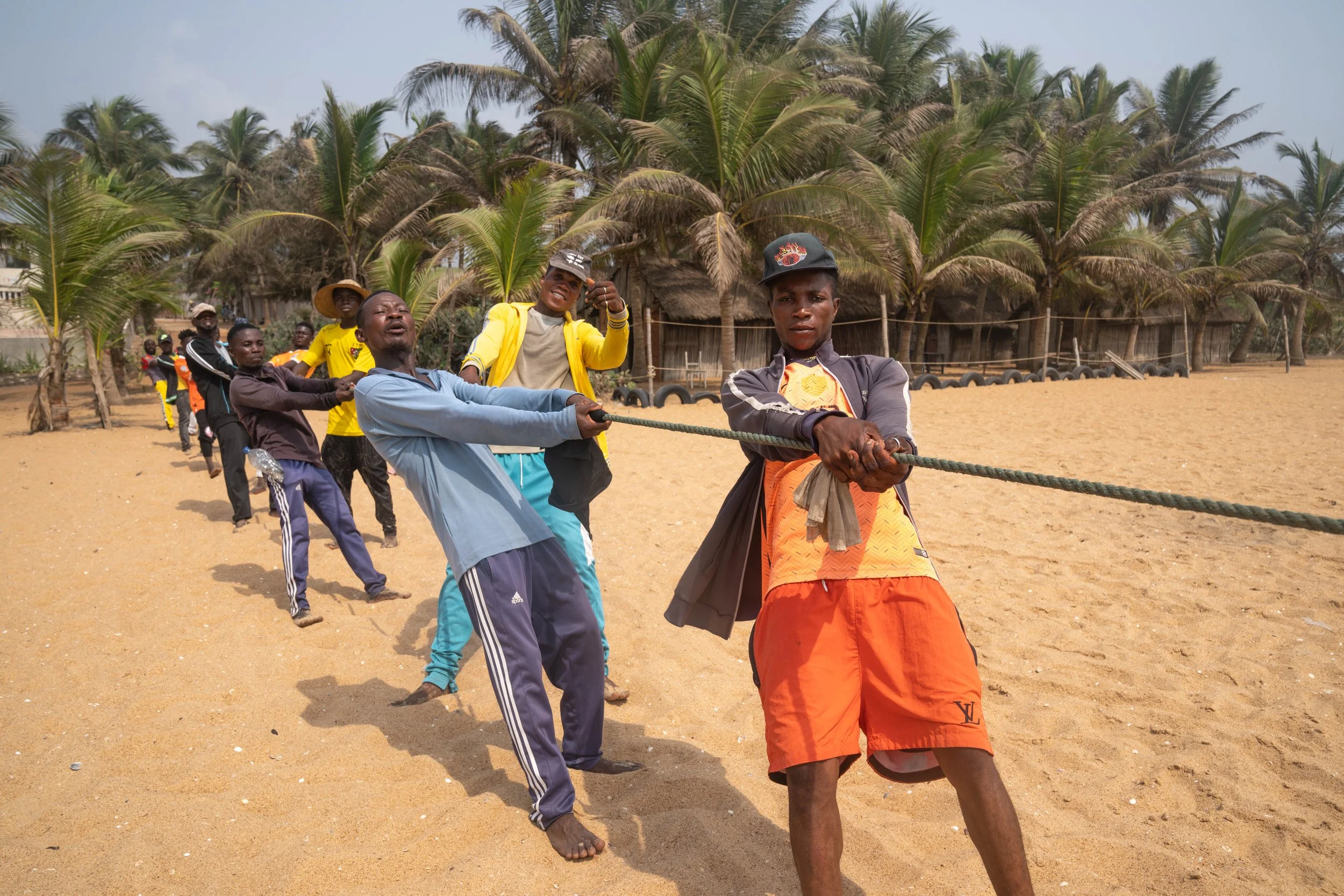
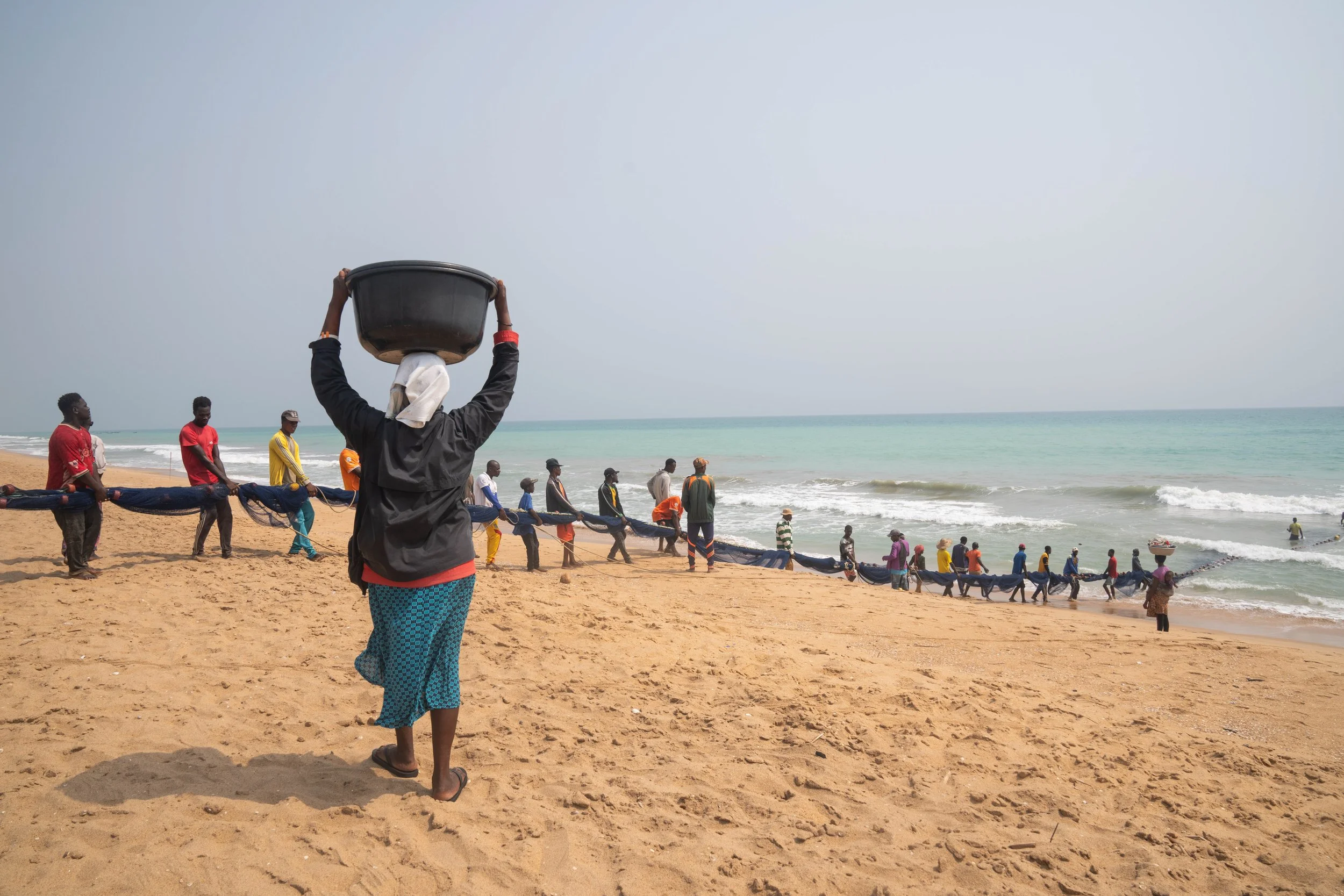
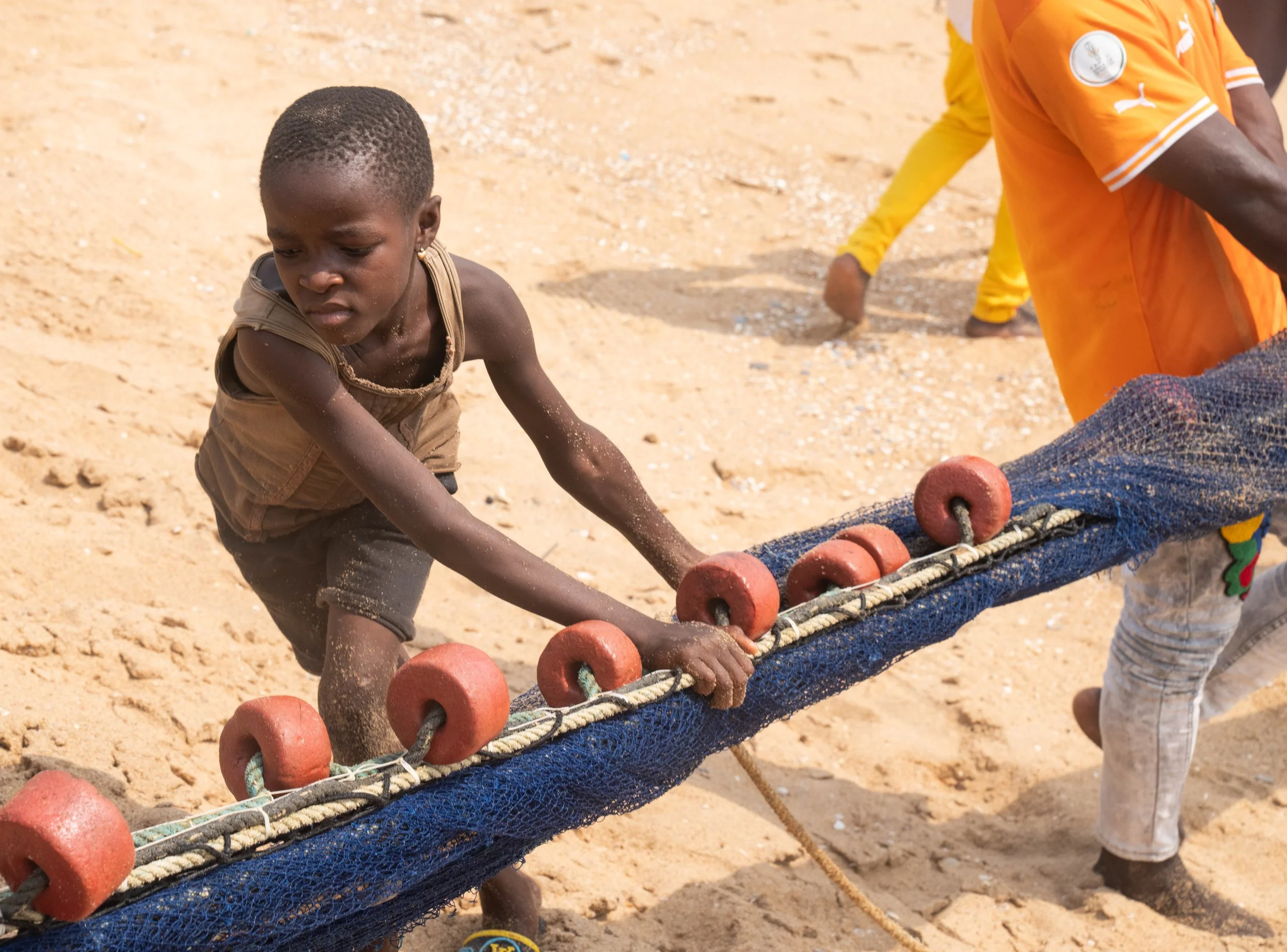
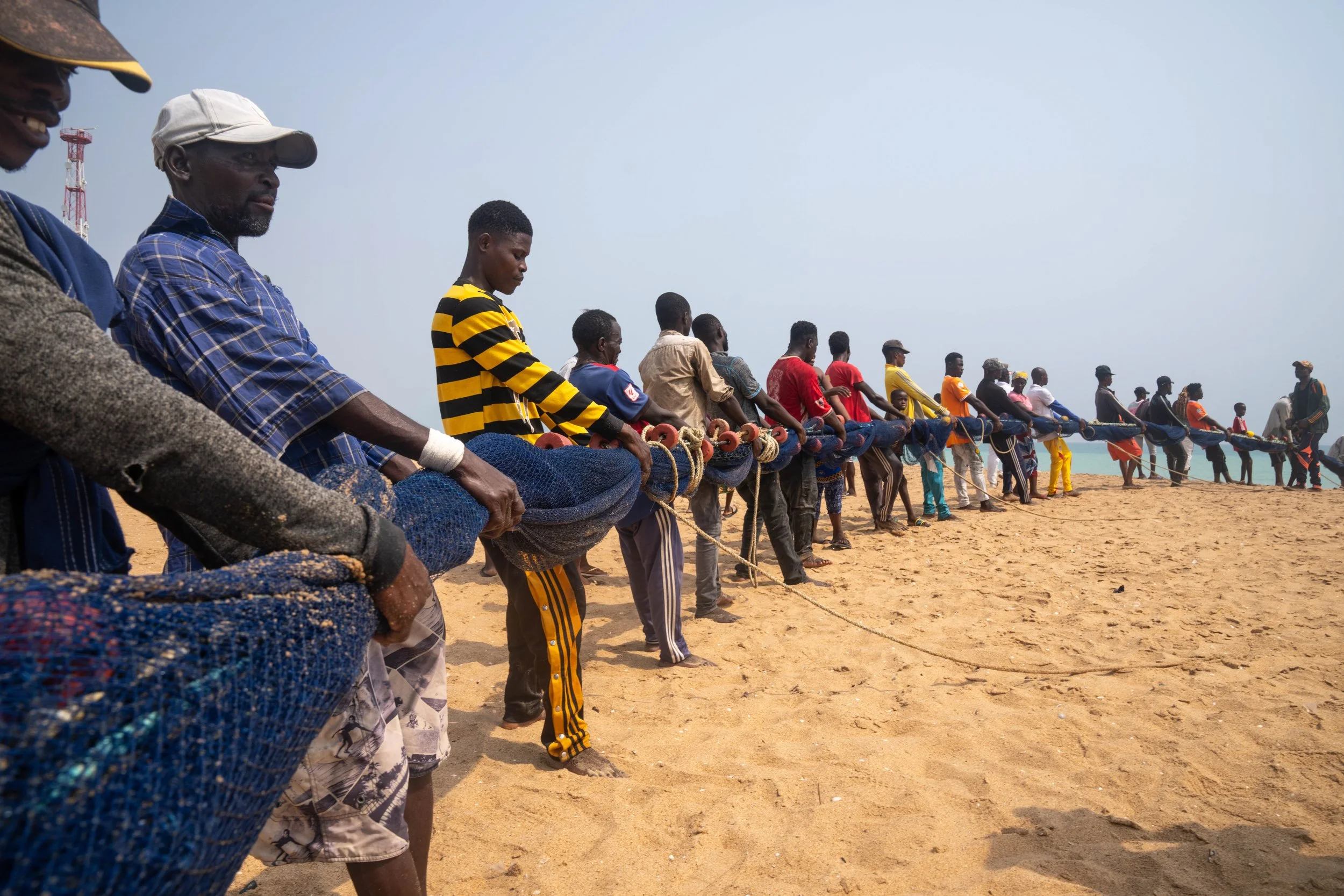
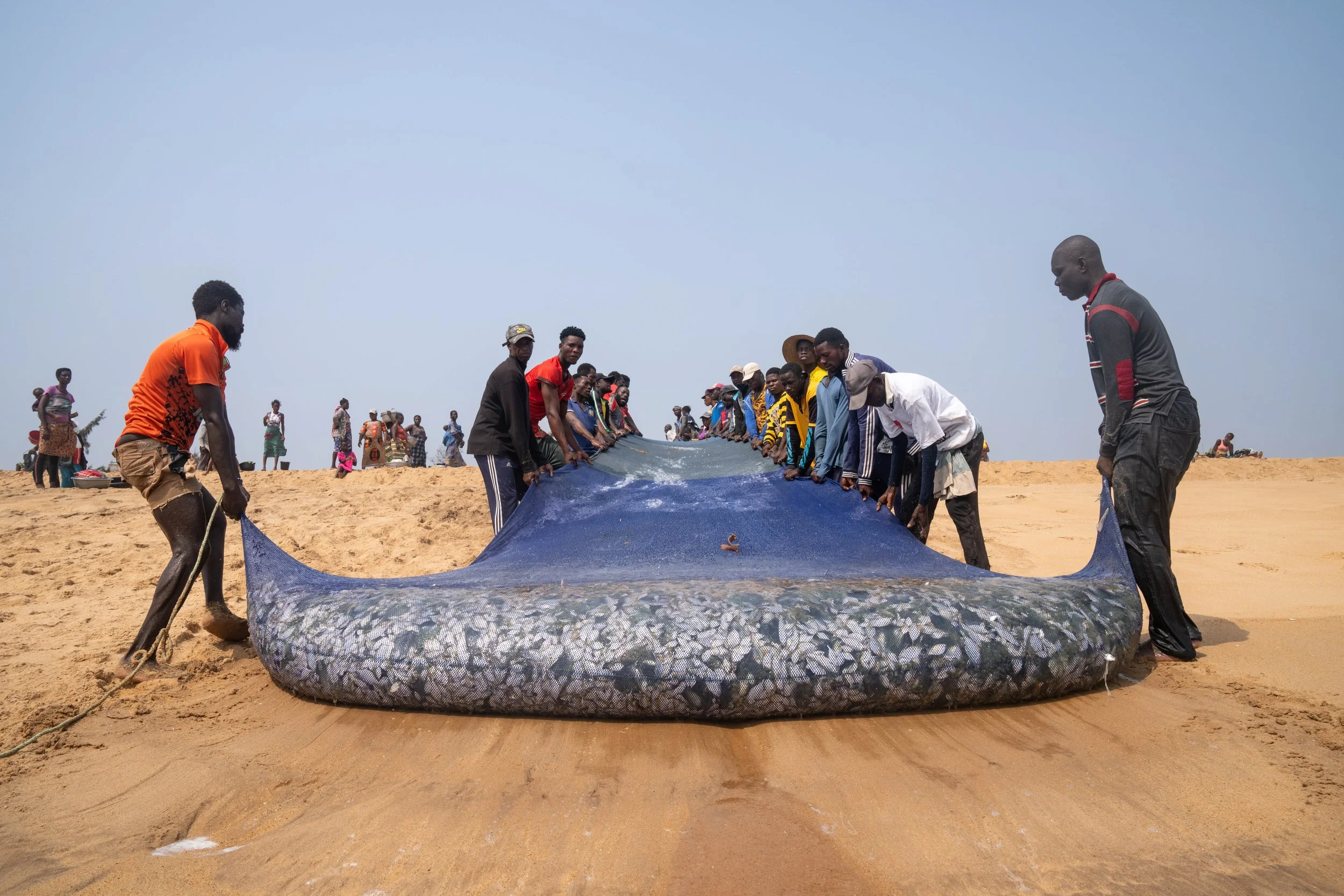
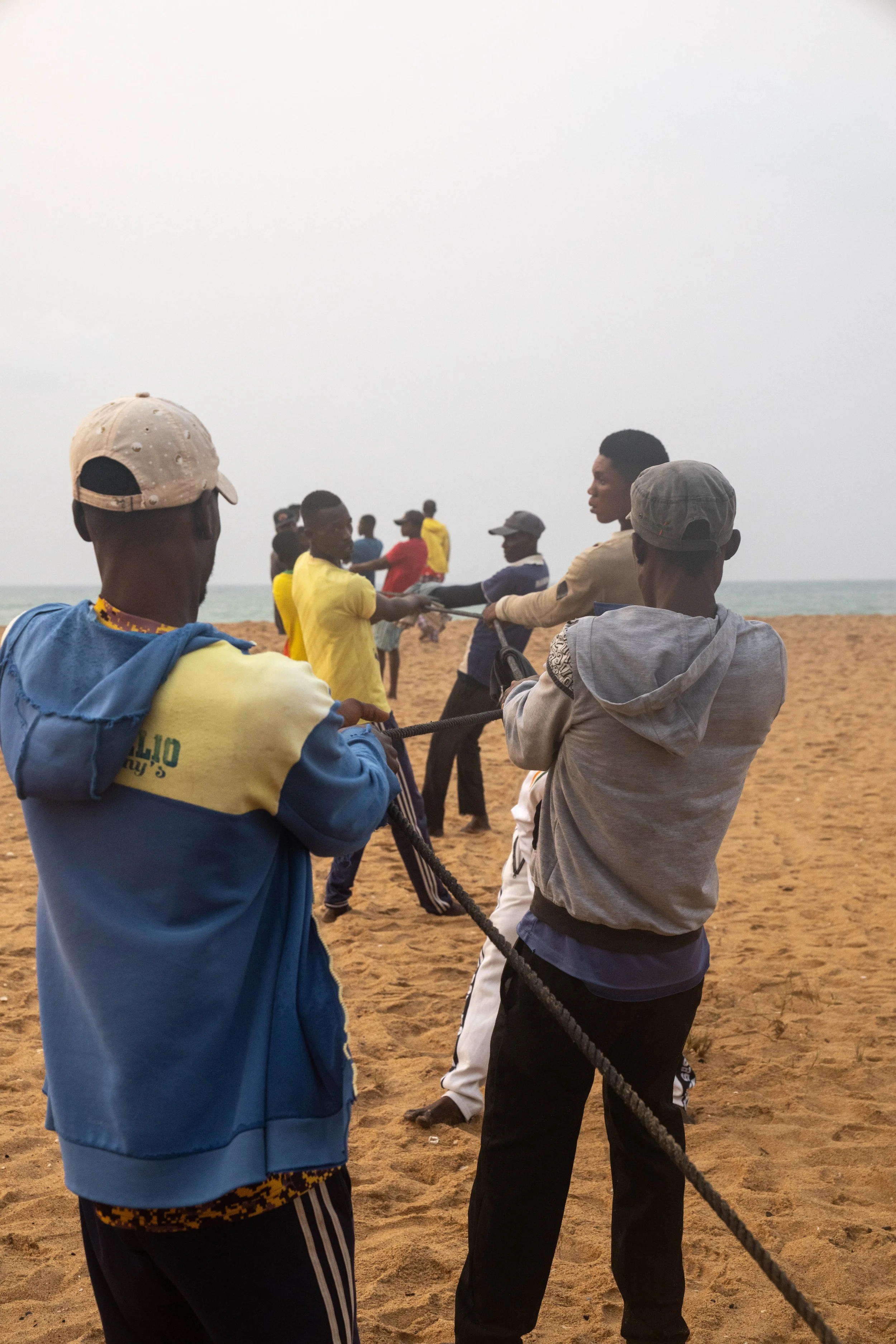
Starting at 6 a.m., a boat heads a few kilometers offshore and drops a massive net. Ropes tied to either end are then brought back to land, where two groups of 30–40 men spend the next six to seven hours pulling it in by hand.
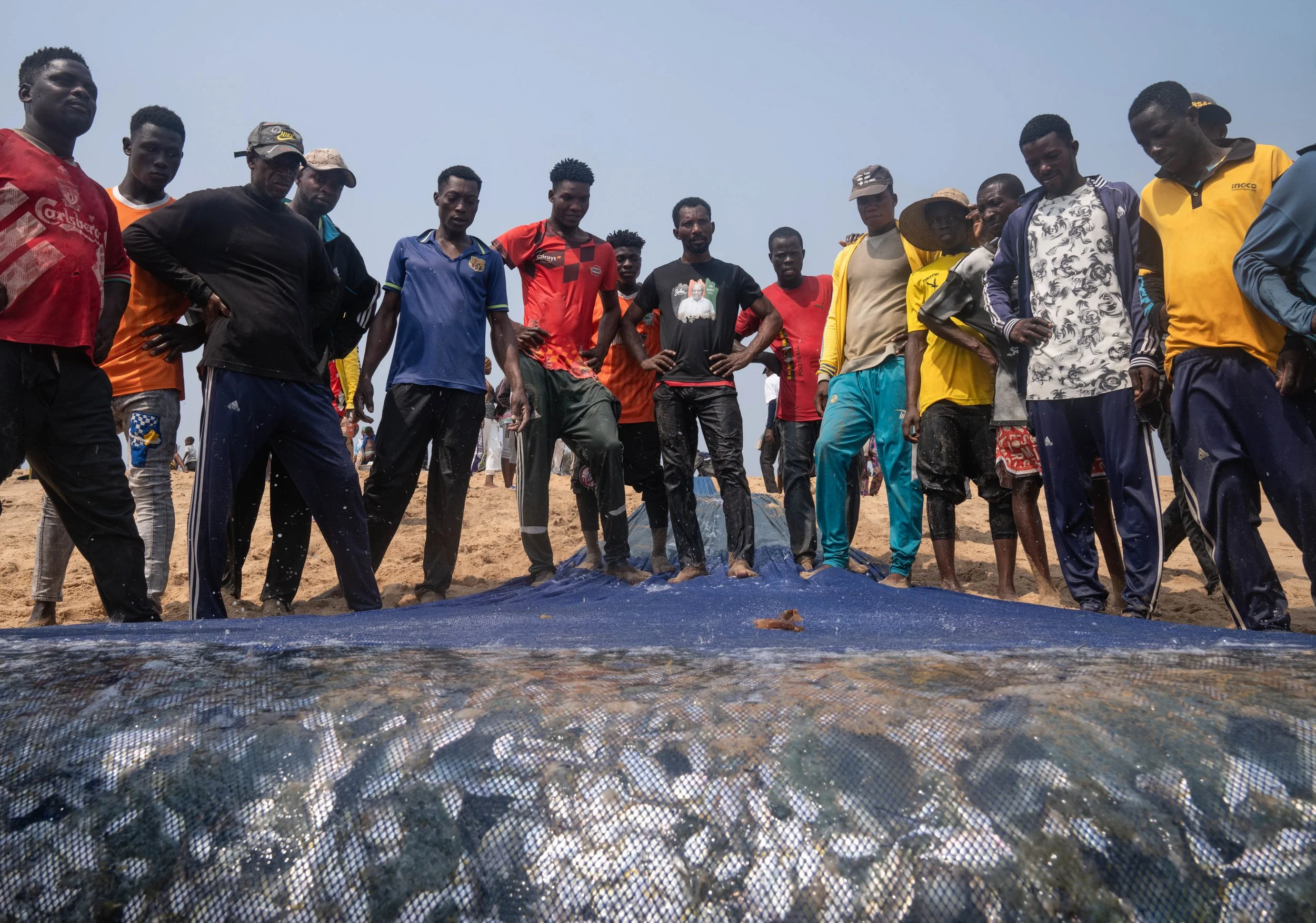
As the net inches closer to shore, the two lines of men gradually move toward one another until they finally meet, hauling in the last stretch to reveal their catch.
It’s hard to fathom doing this once — let alone as a full-time job. These men do it five days a week, eleven months a year, earning just $3–$4 a day… and that’s only if the catch is good. This day, unfortunately, it wasn’t.
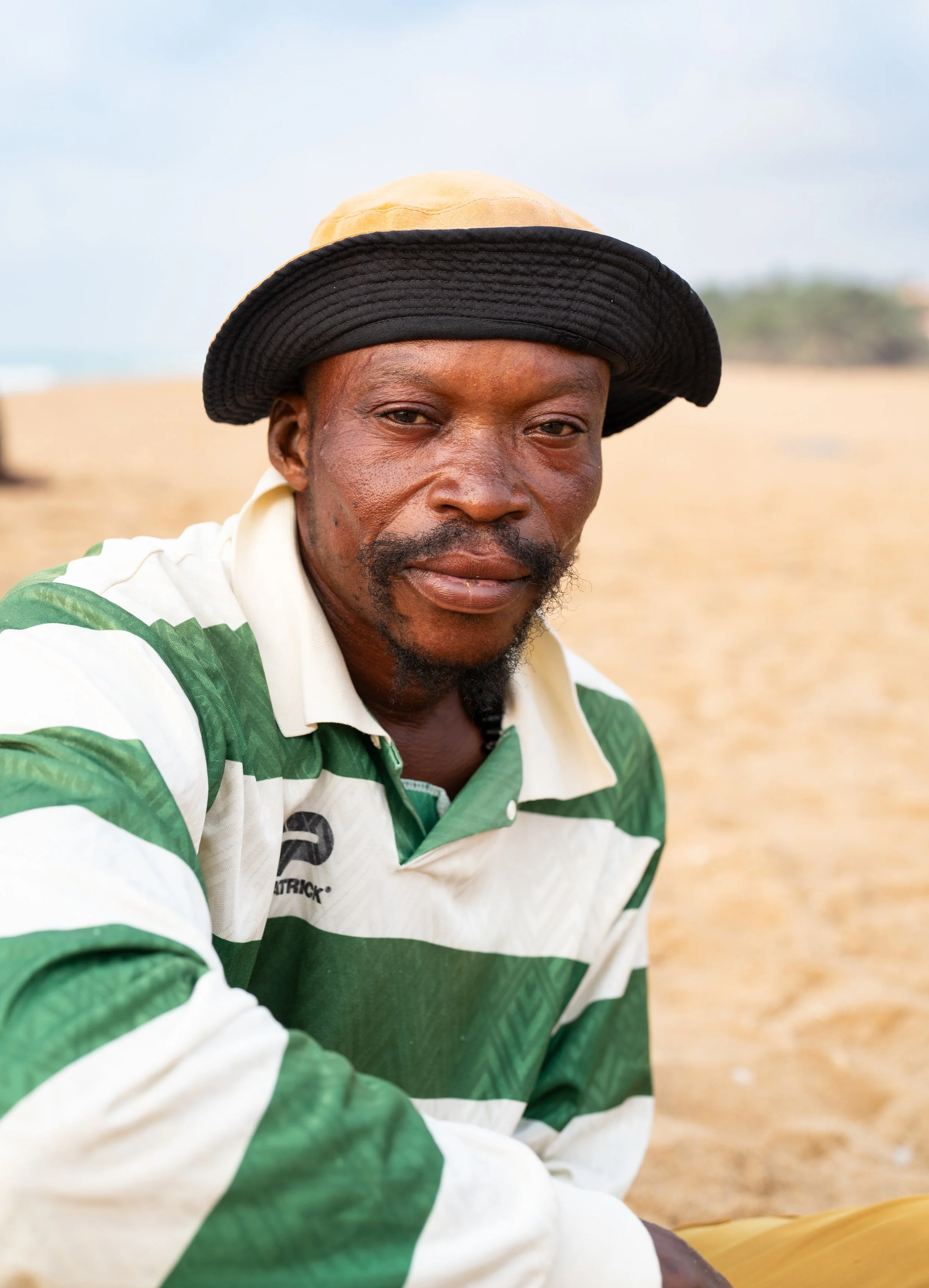
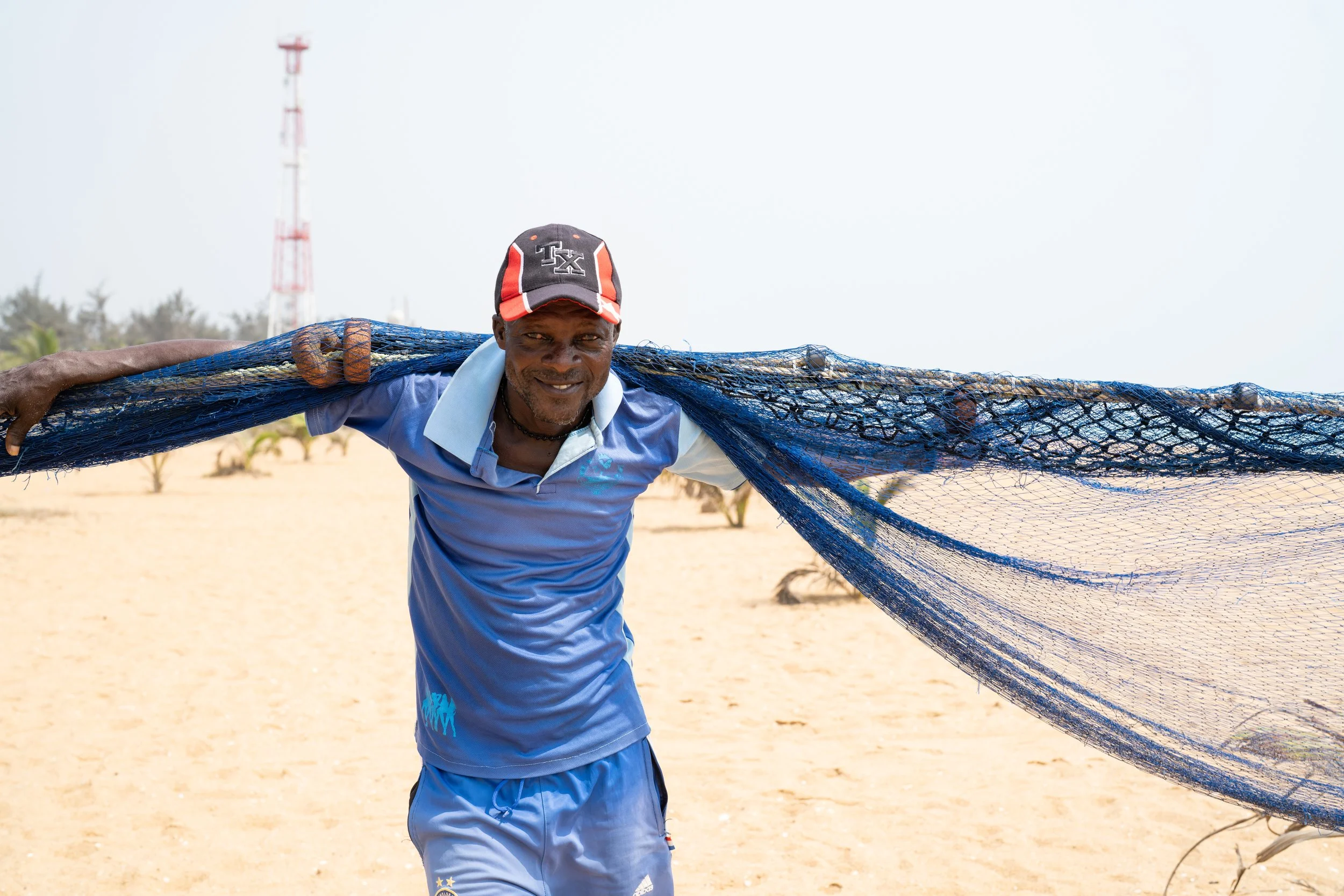
When we started documenting the process early in the morning, the fishermen were wary of our presence. Most seemed distant, a few even a little hostile. However, over the course of the day, their animosity slowly dissipated as we engaged in conversation, even joking around during breaks. We learned about their pasts and the hardships of this lifestyle, but also discovered something that may surprise you.
Modern alternatives to this process exist and could make life much easier for fishermen, yet many reject them. It’s not fear of losing their jobs—it’s pride in a tradition passed down for generations. Their fathers and grandfathers fished this way, and they take immense pride in carrying it on. The work may be hard and the pay low, but for them, it’s more than a job—it’s an identity, one they cherish deeply.