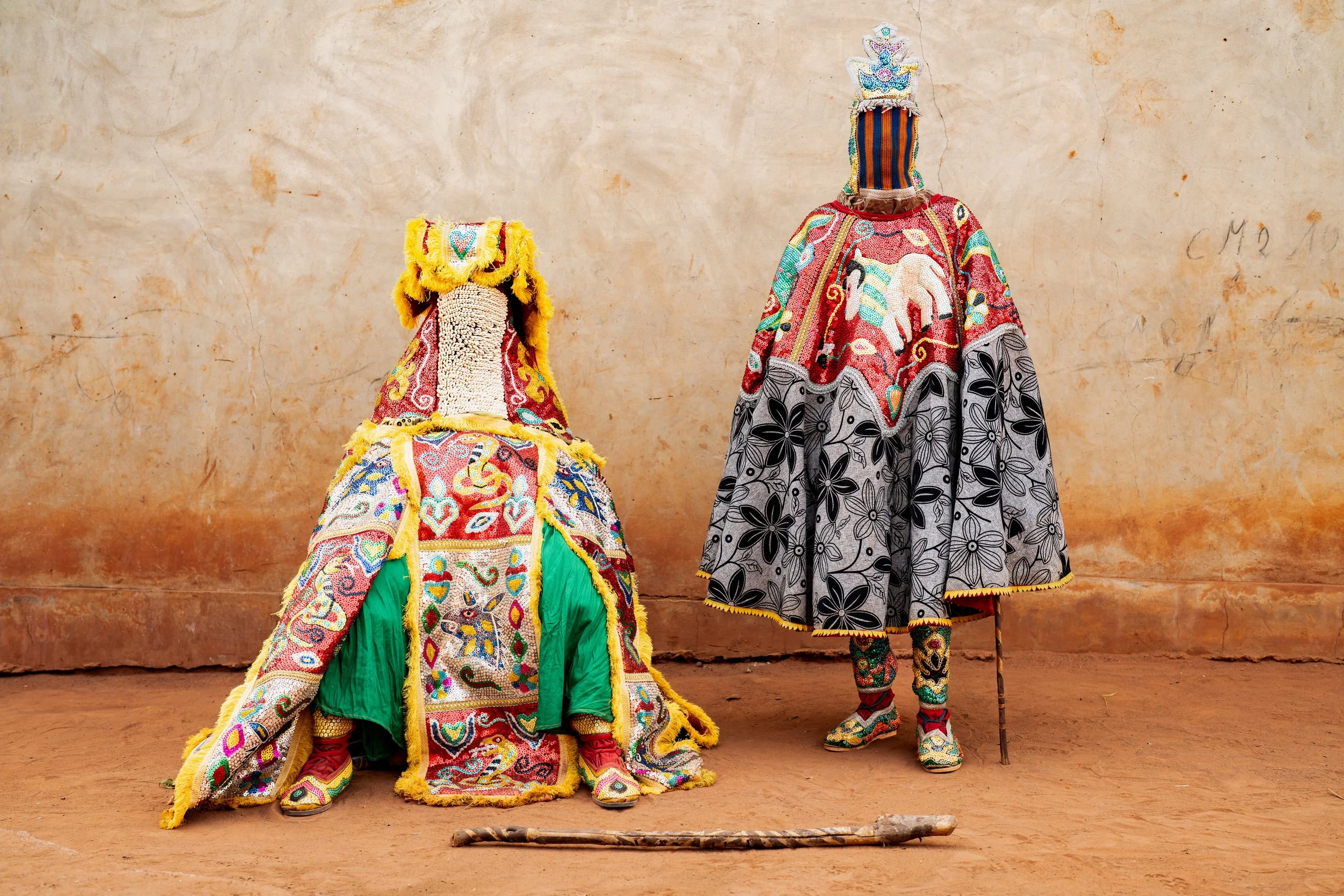
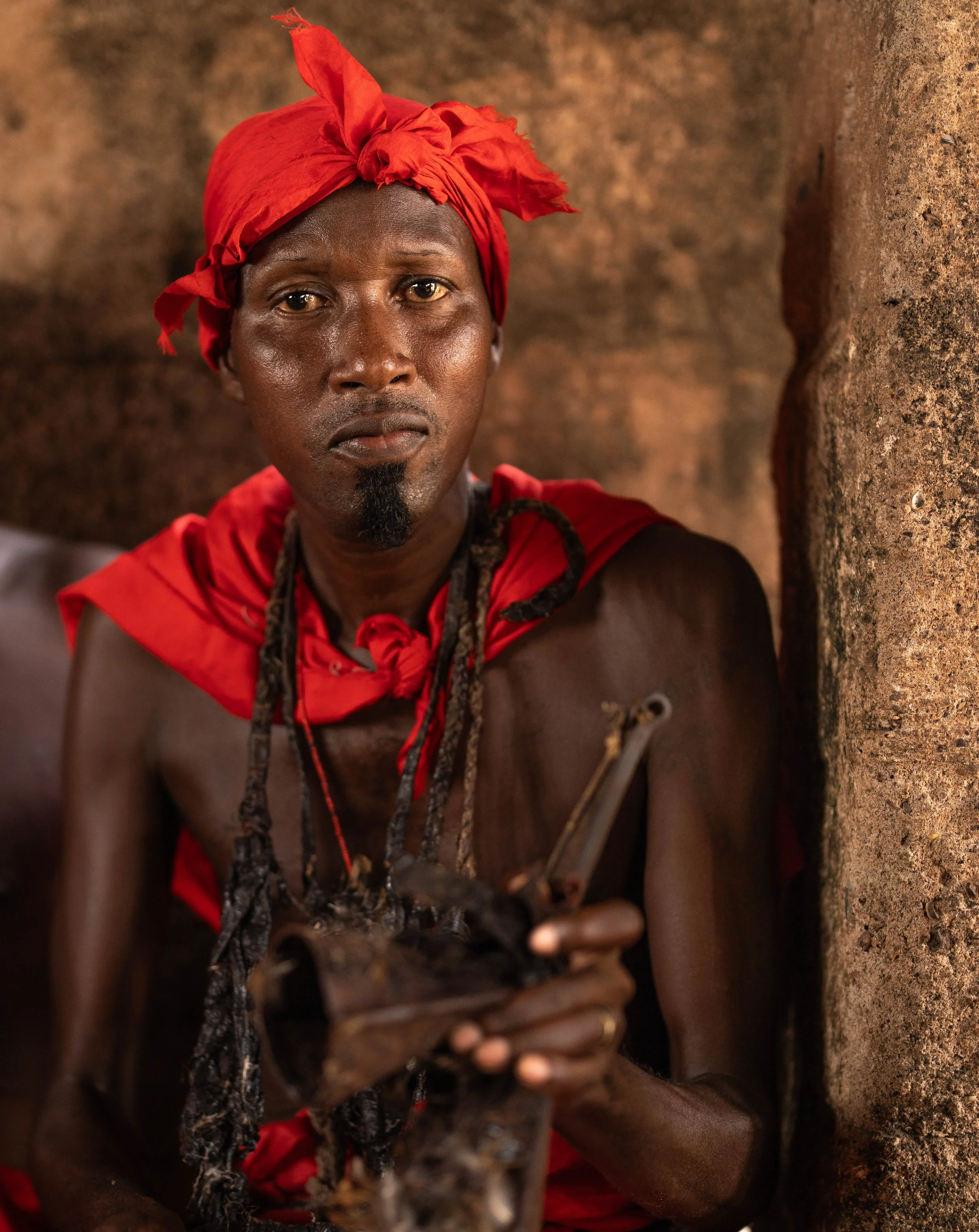
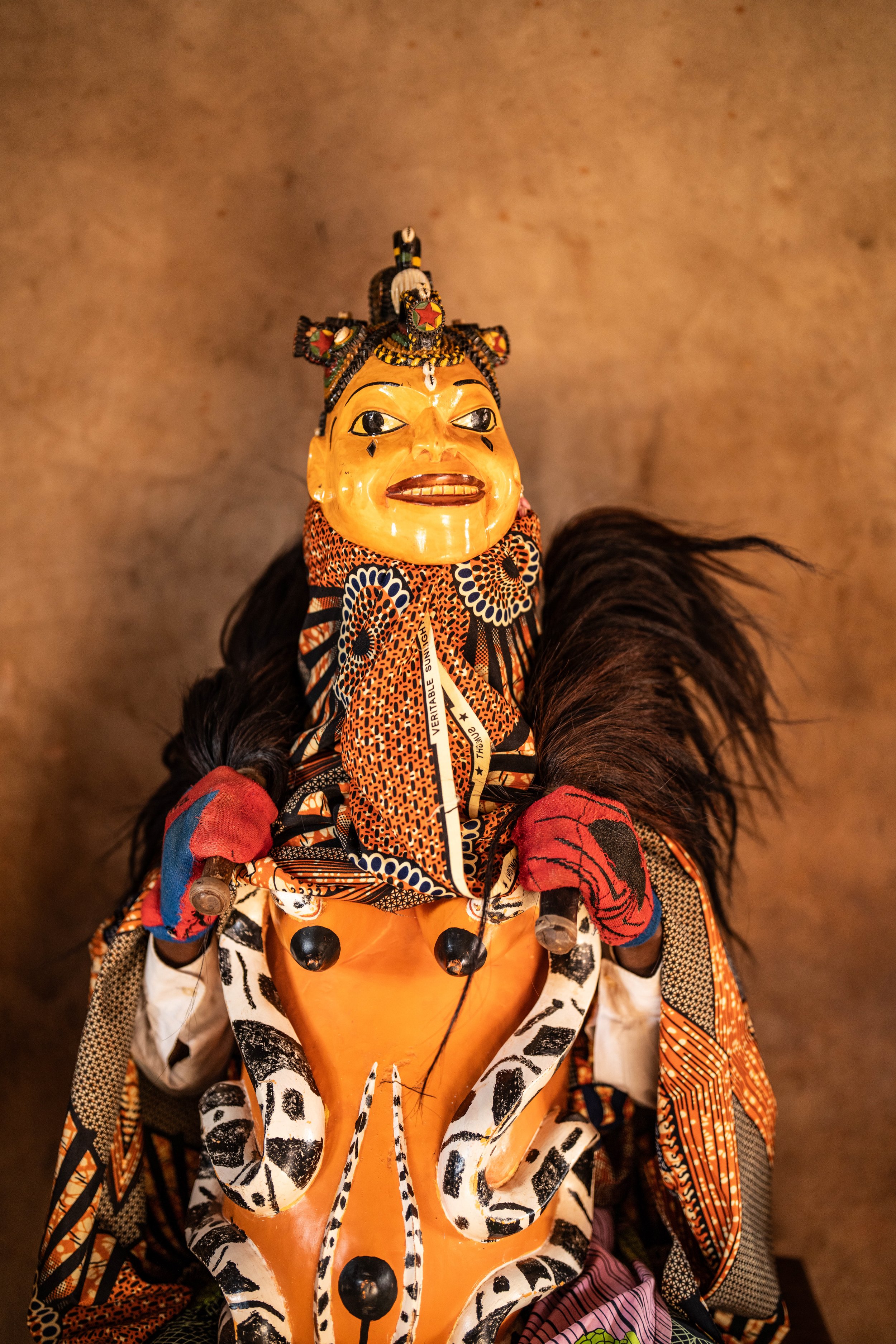
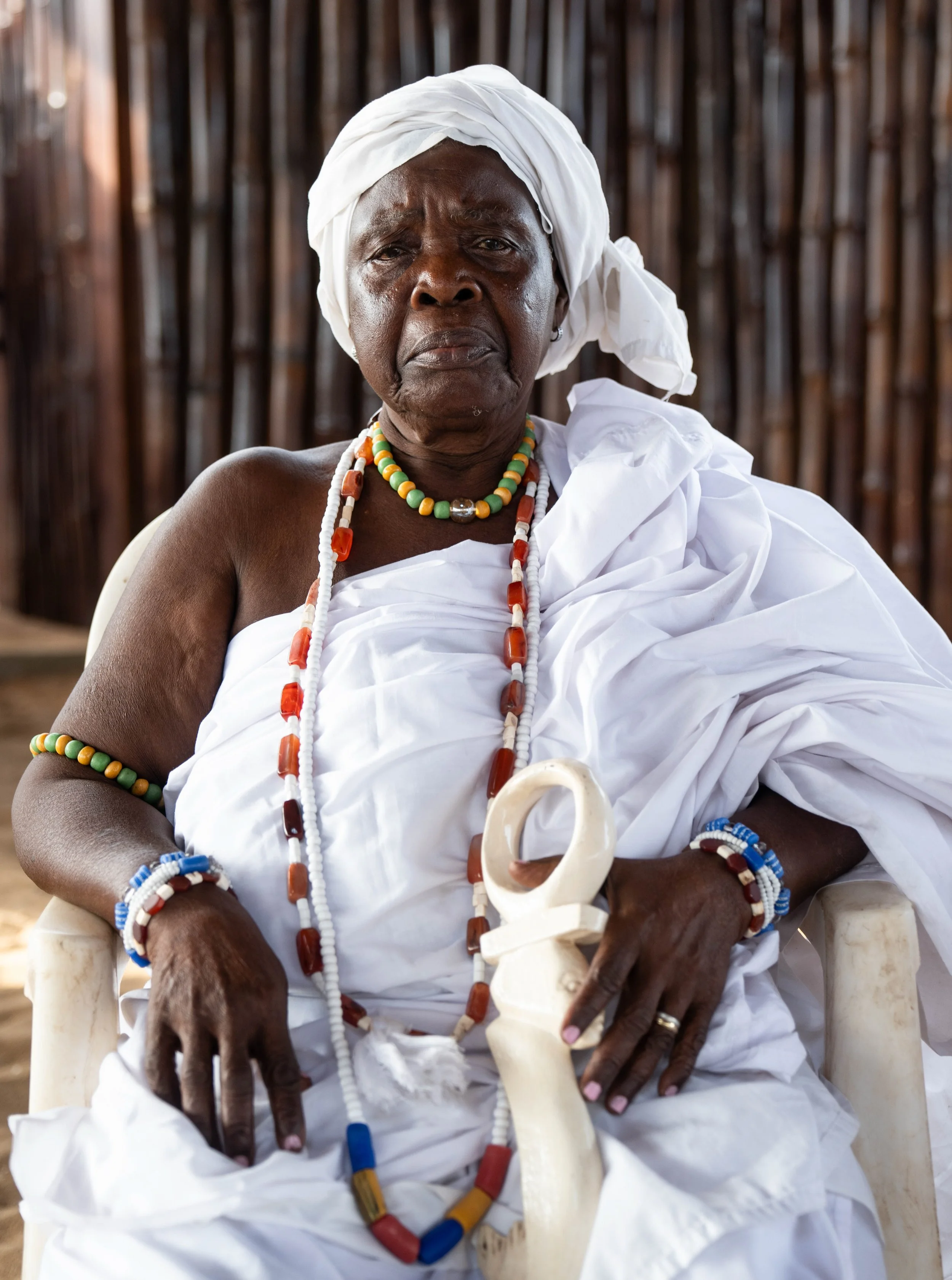
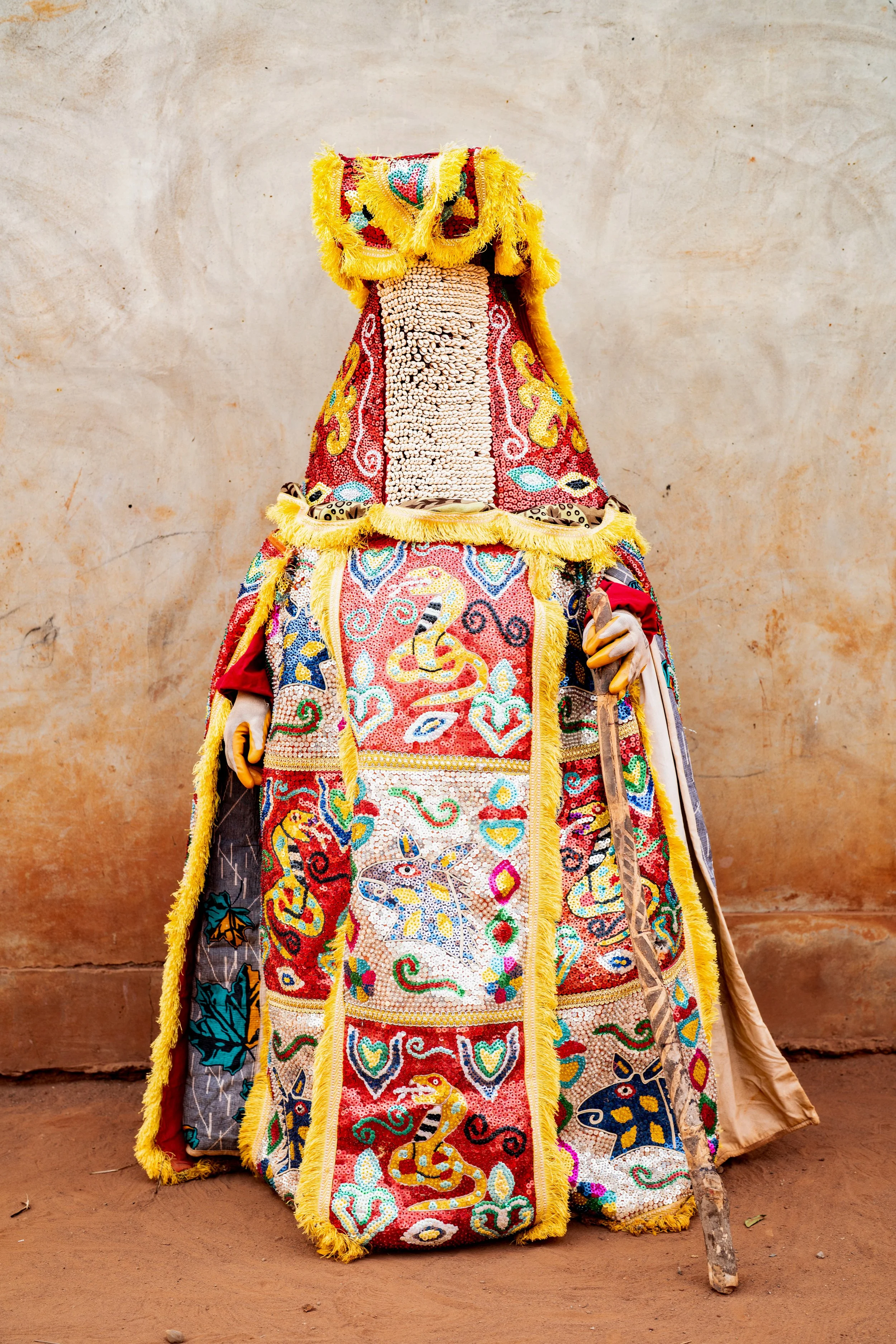
Misunderstood by many, it carries both breathtaking beauty and undeniable darkness.
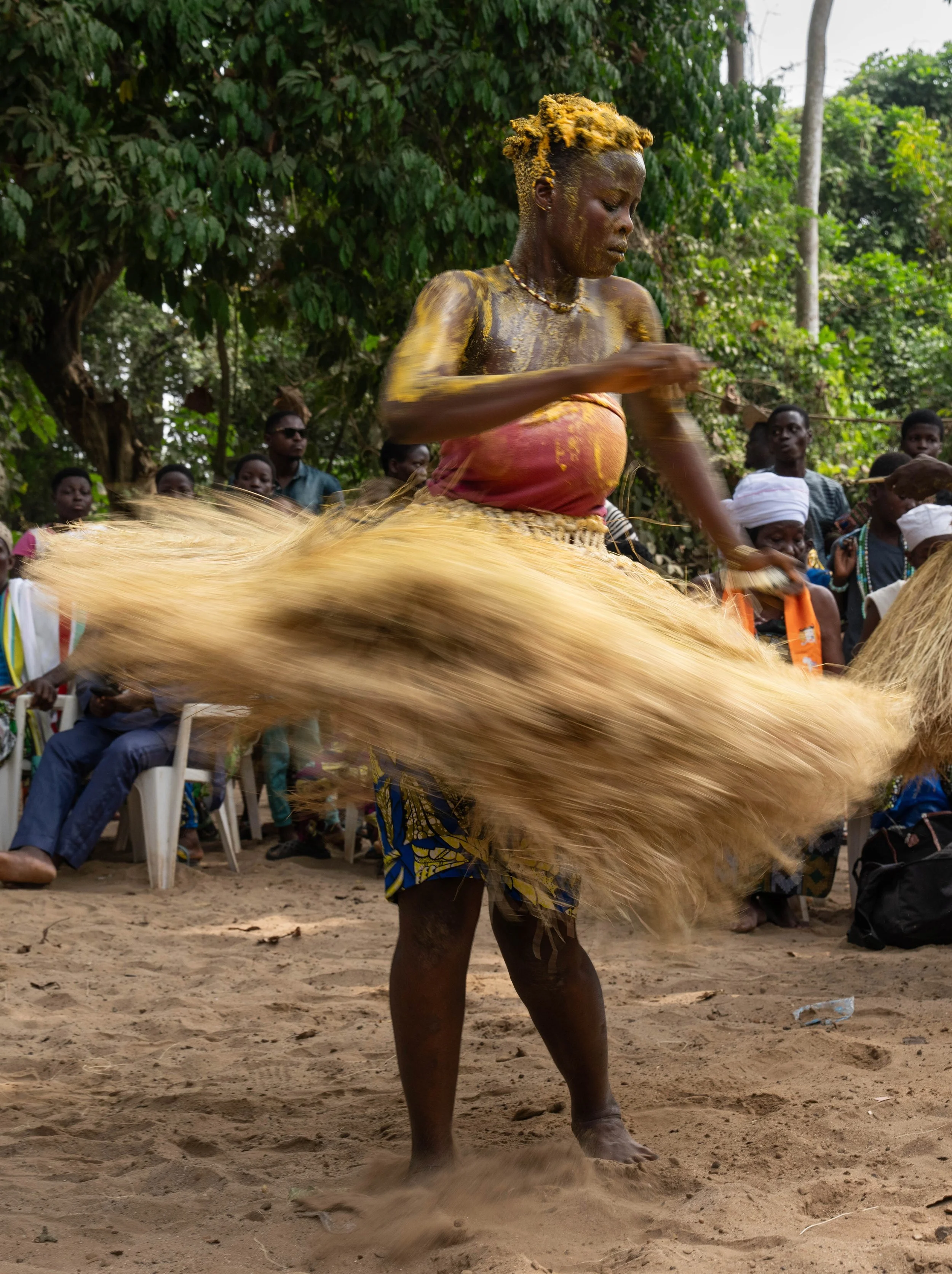
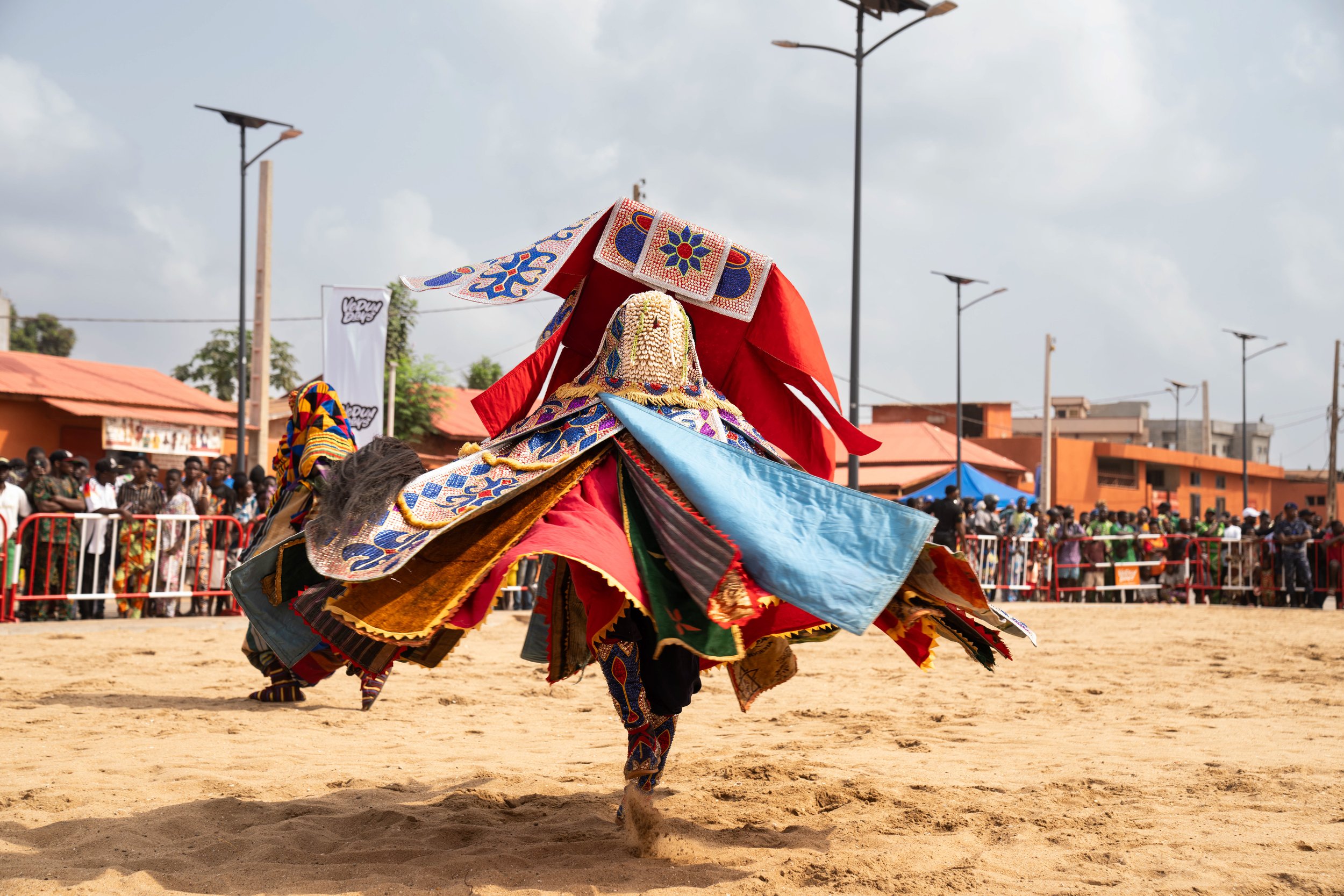
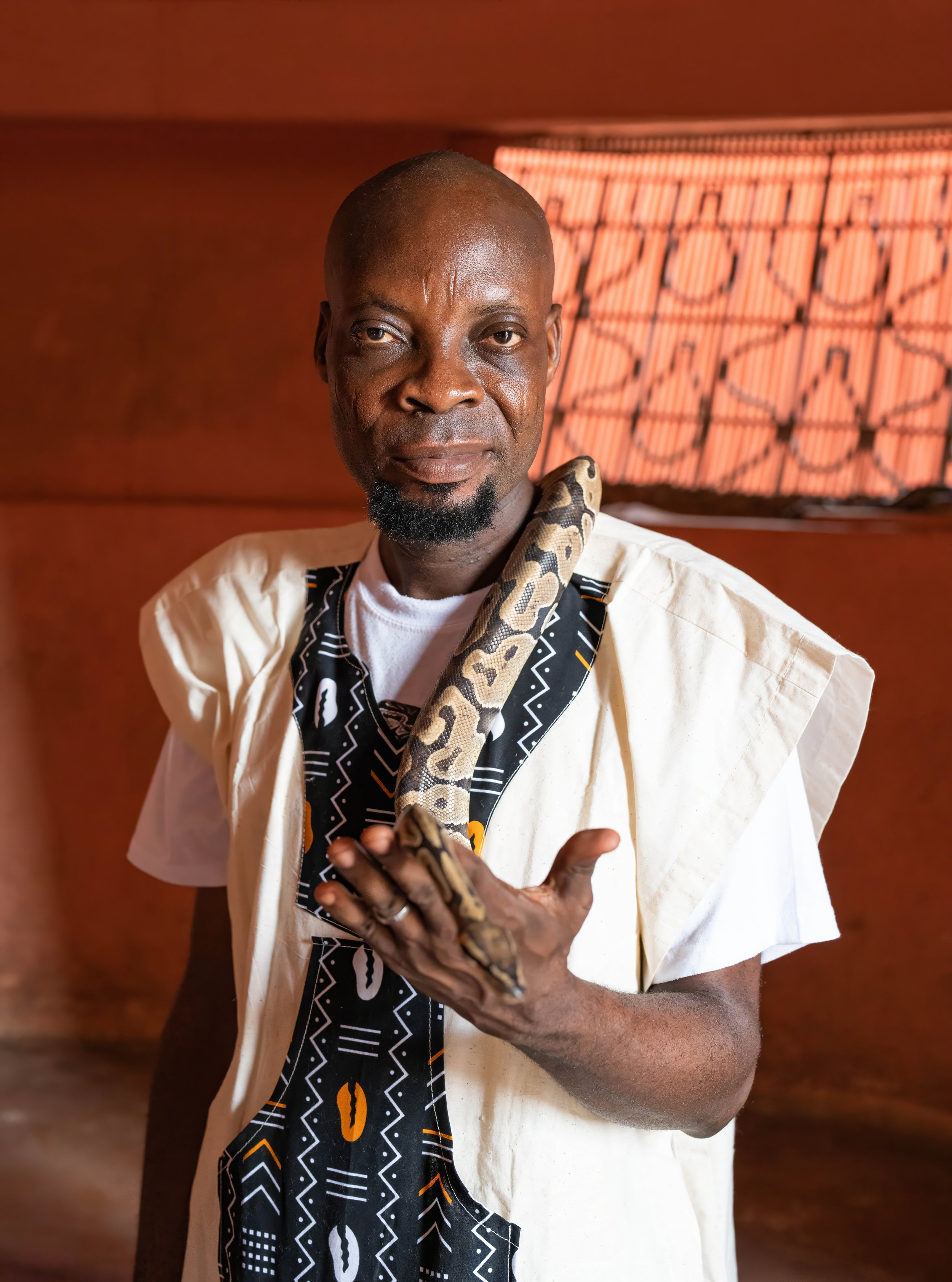
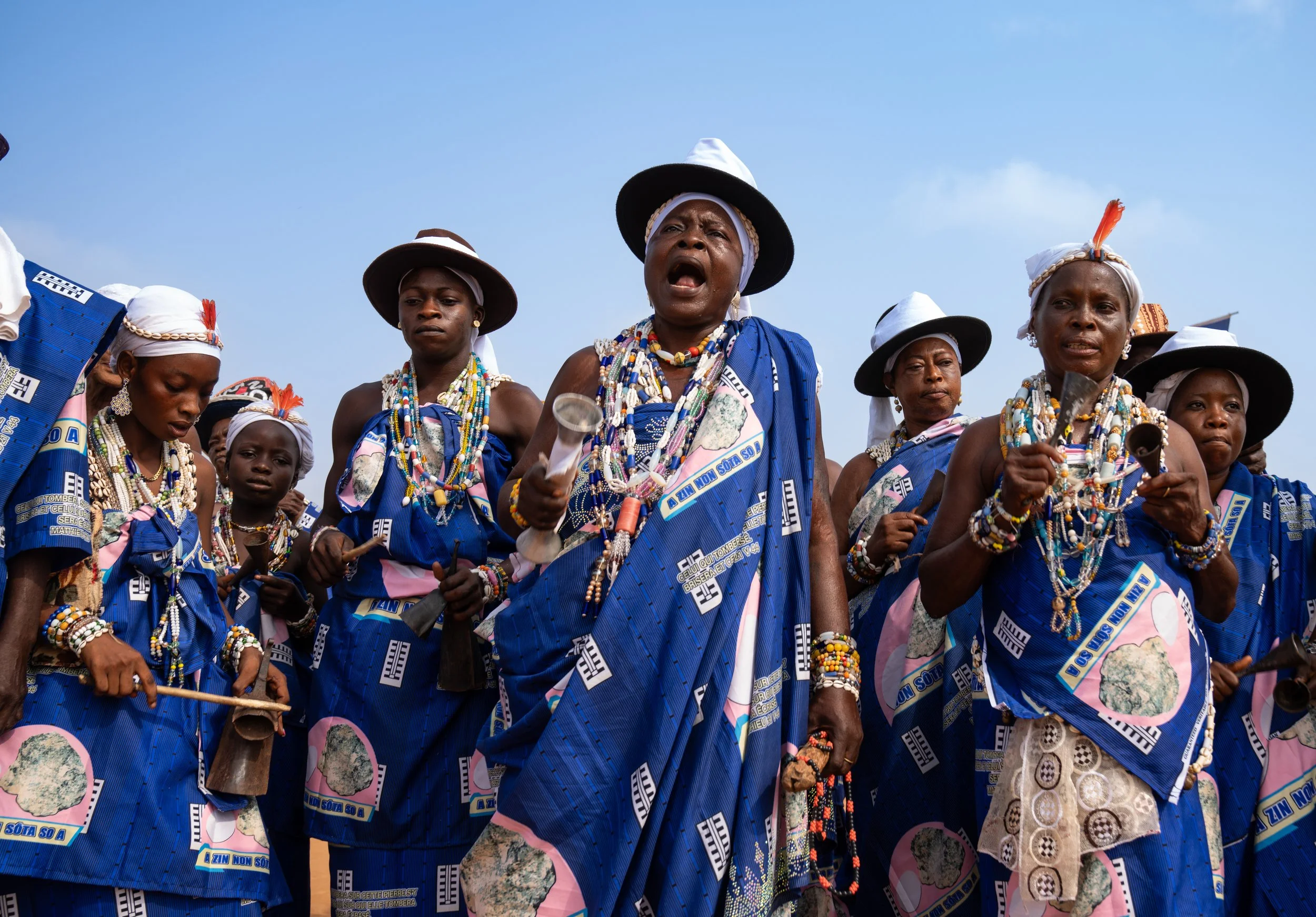
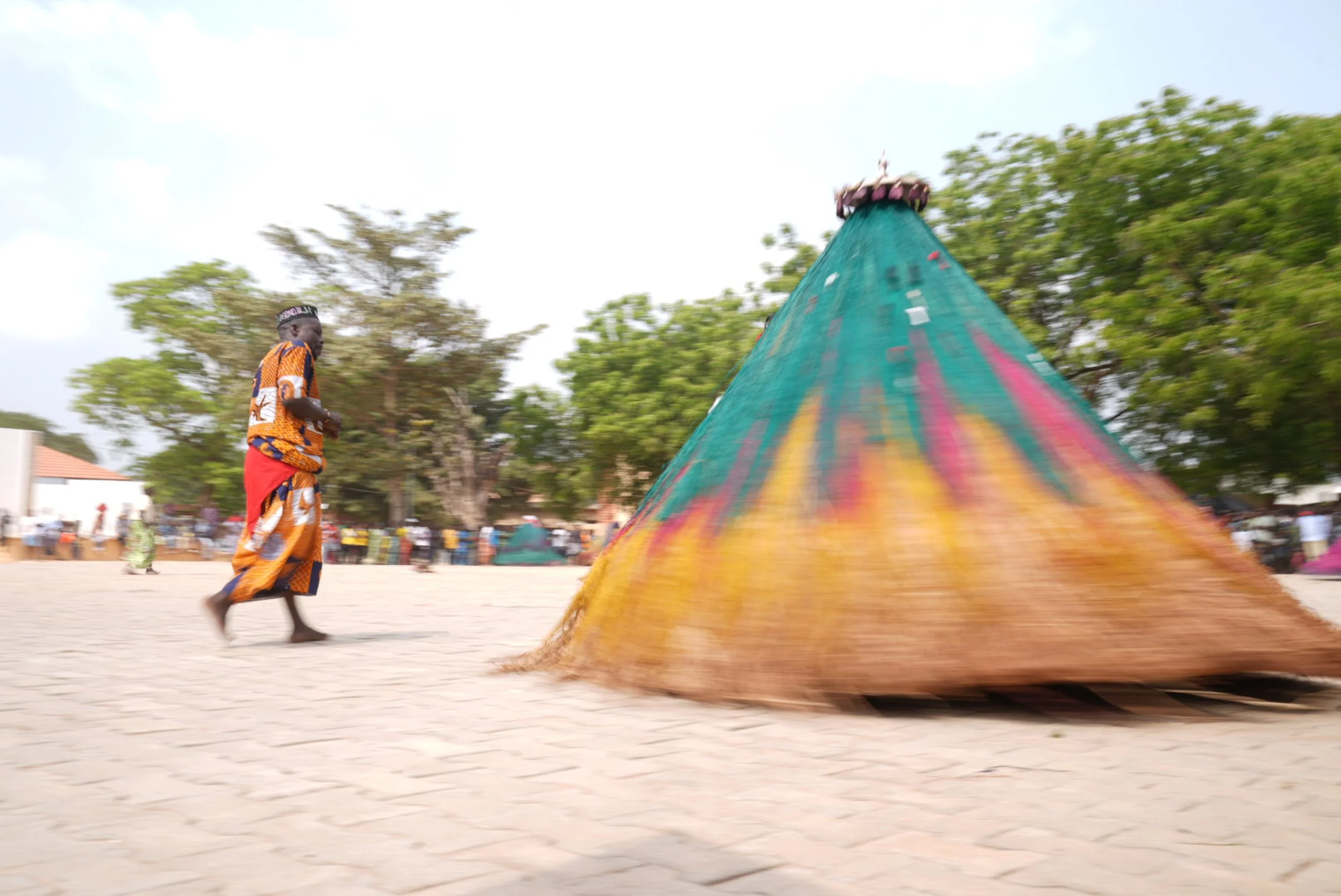
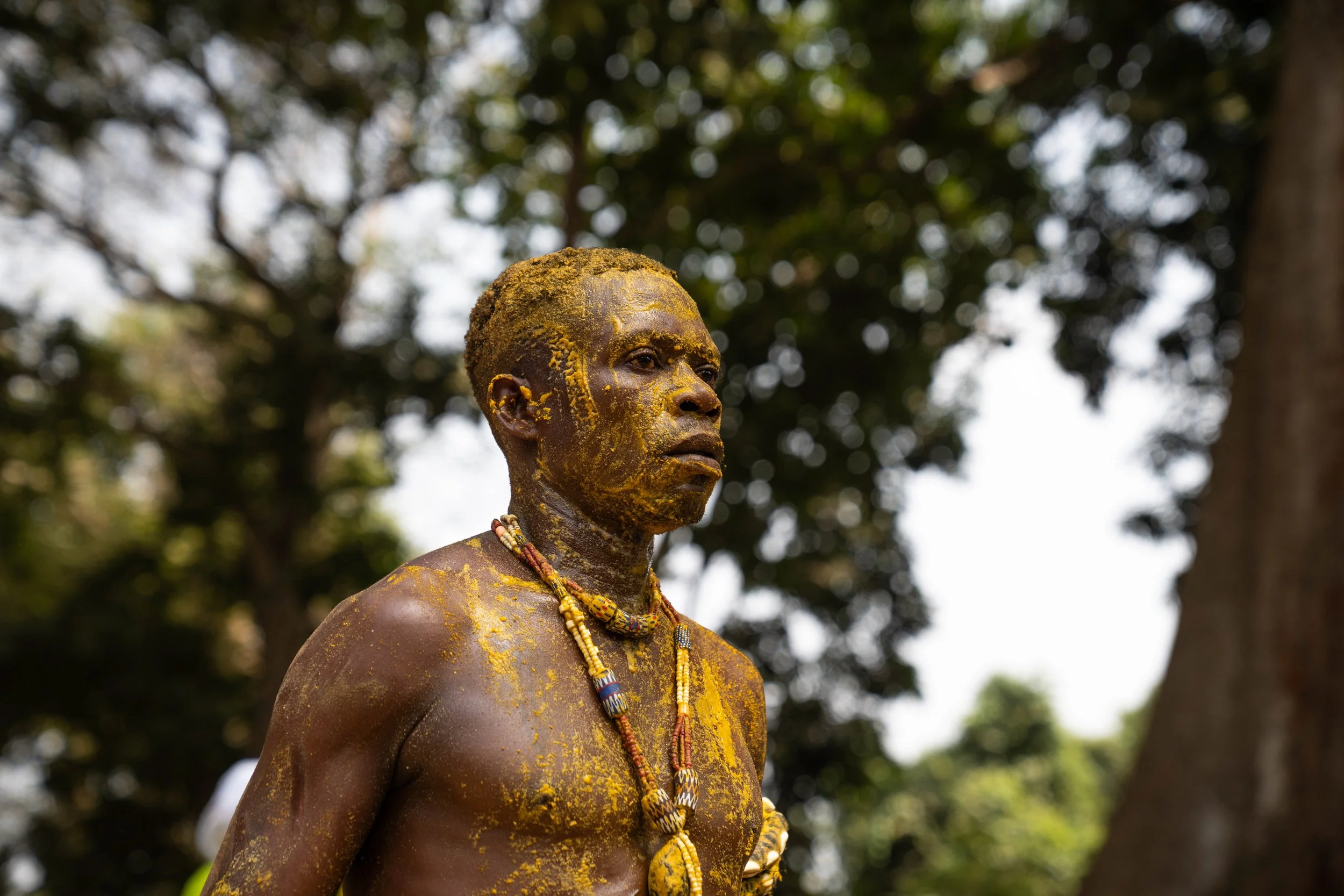
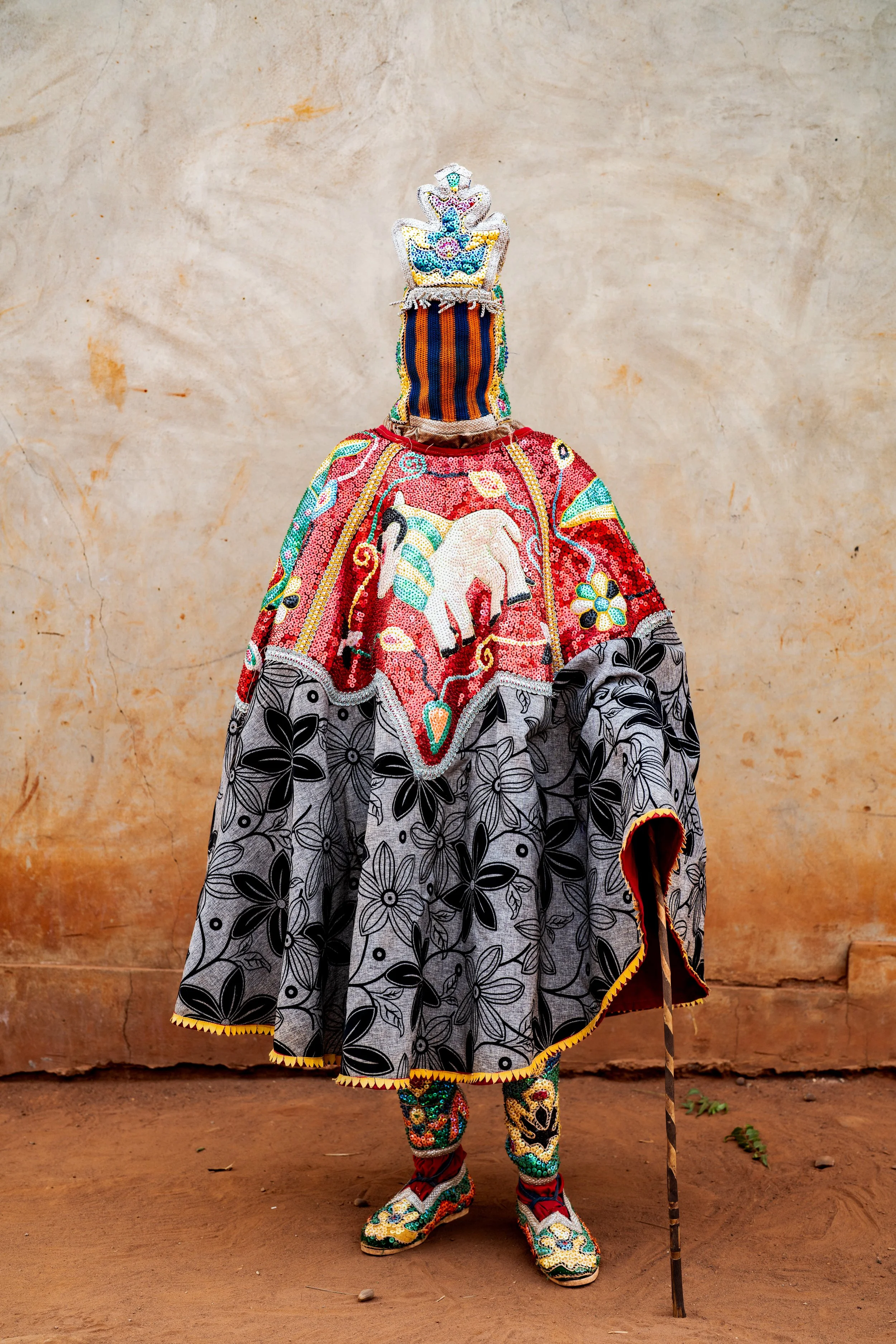
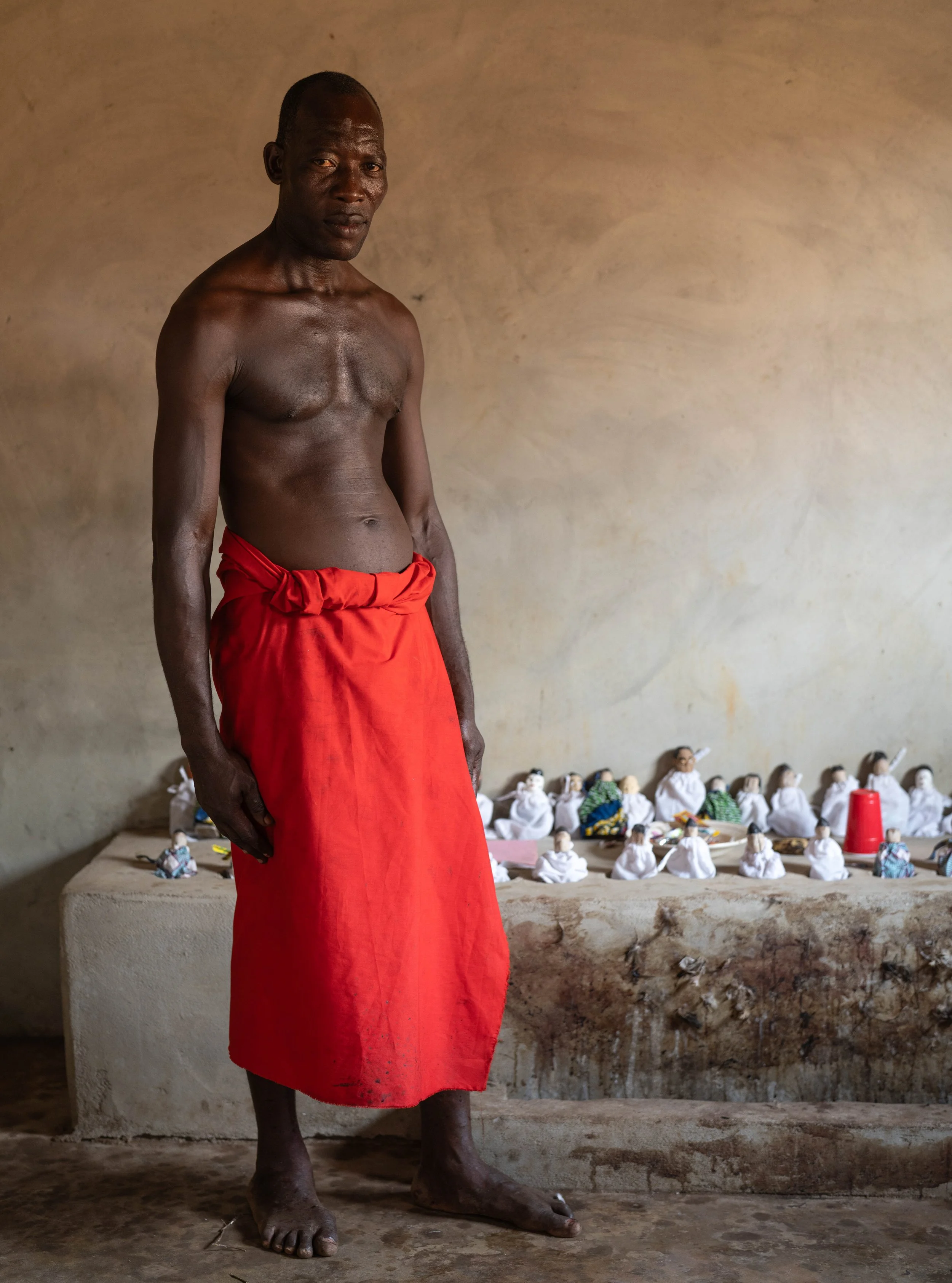
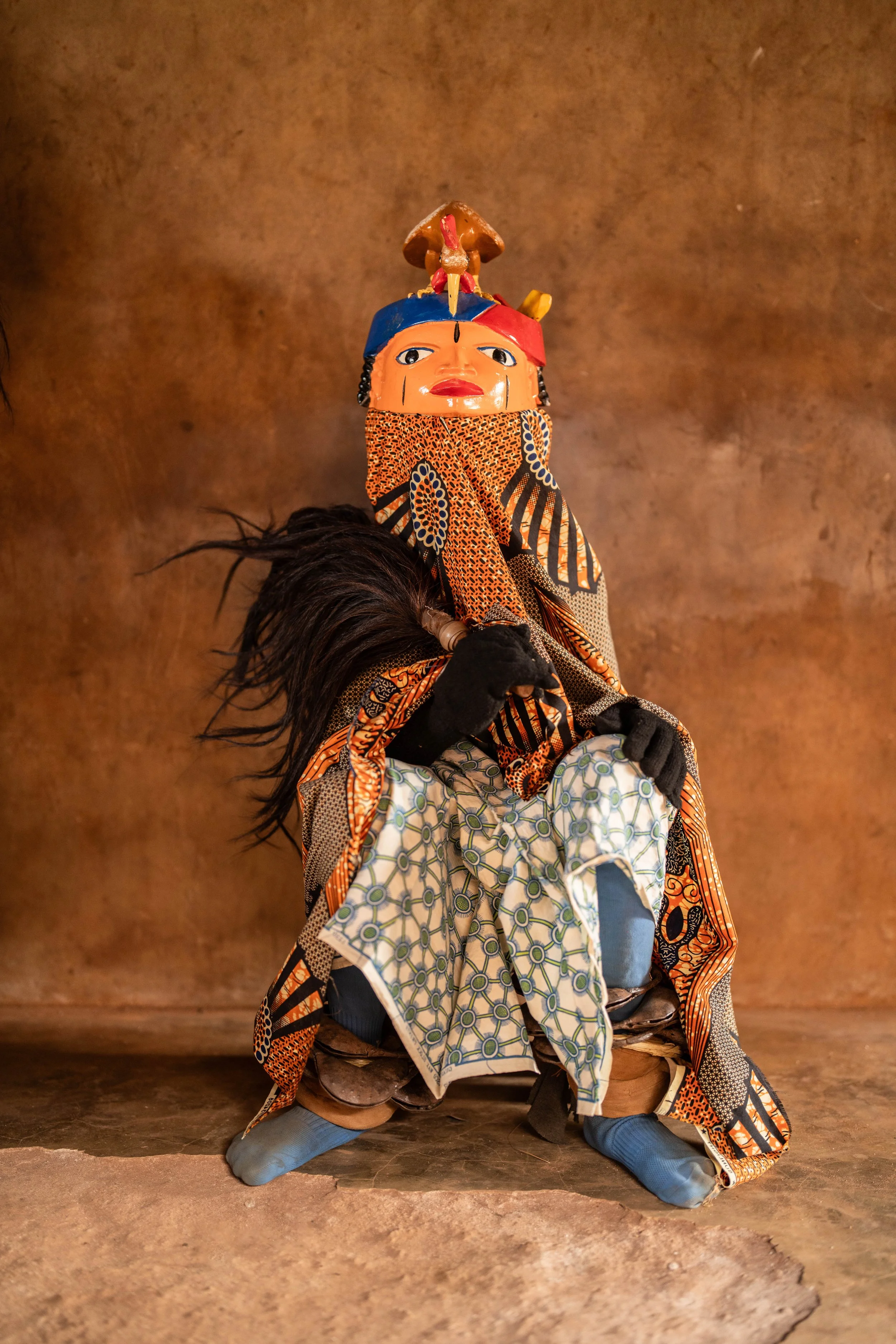
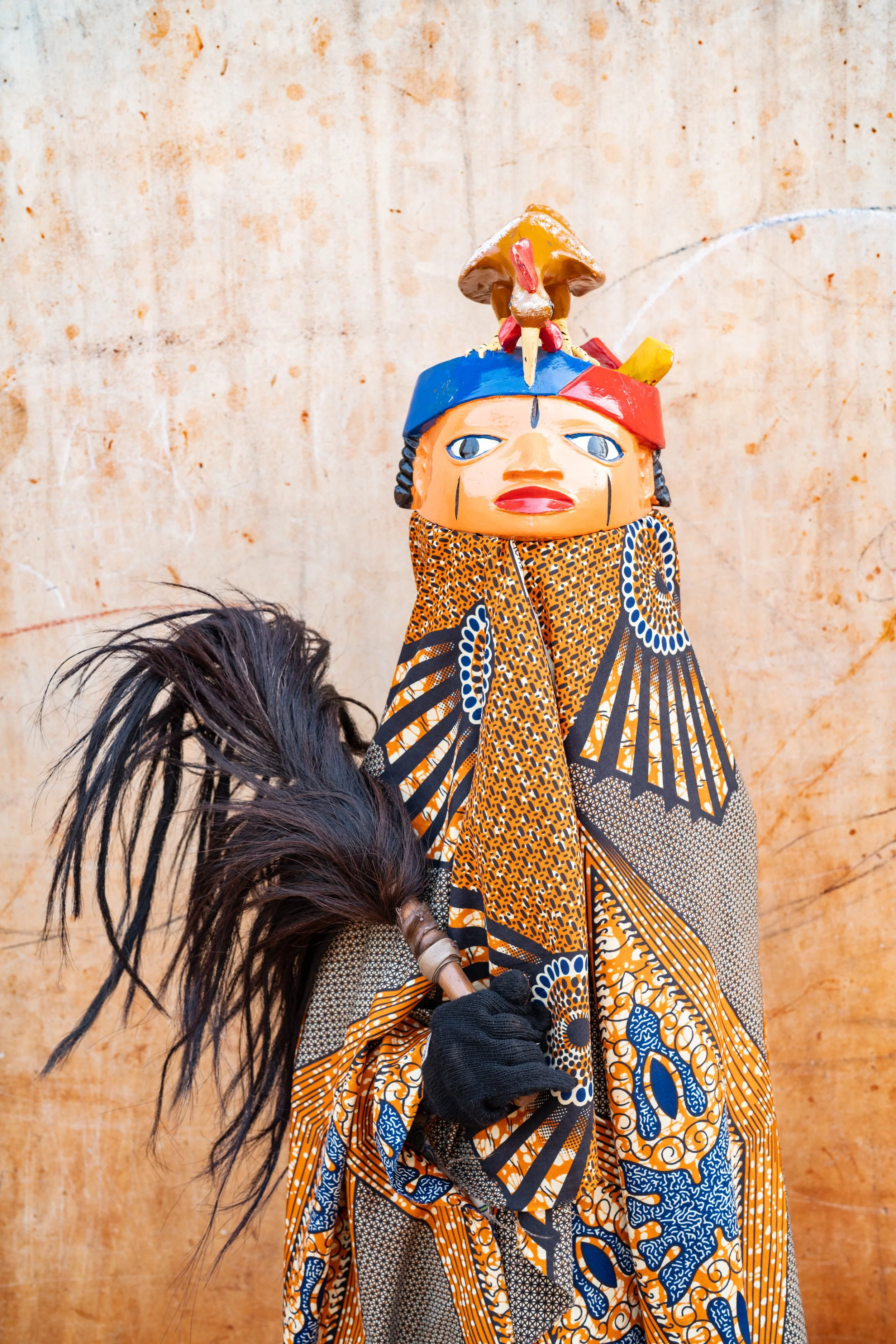
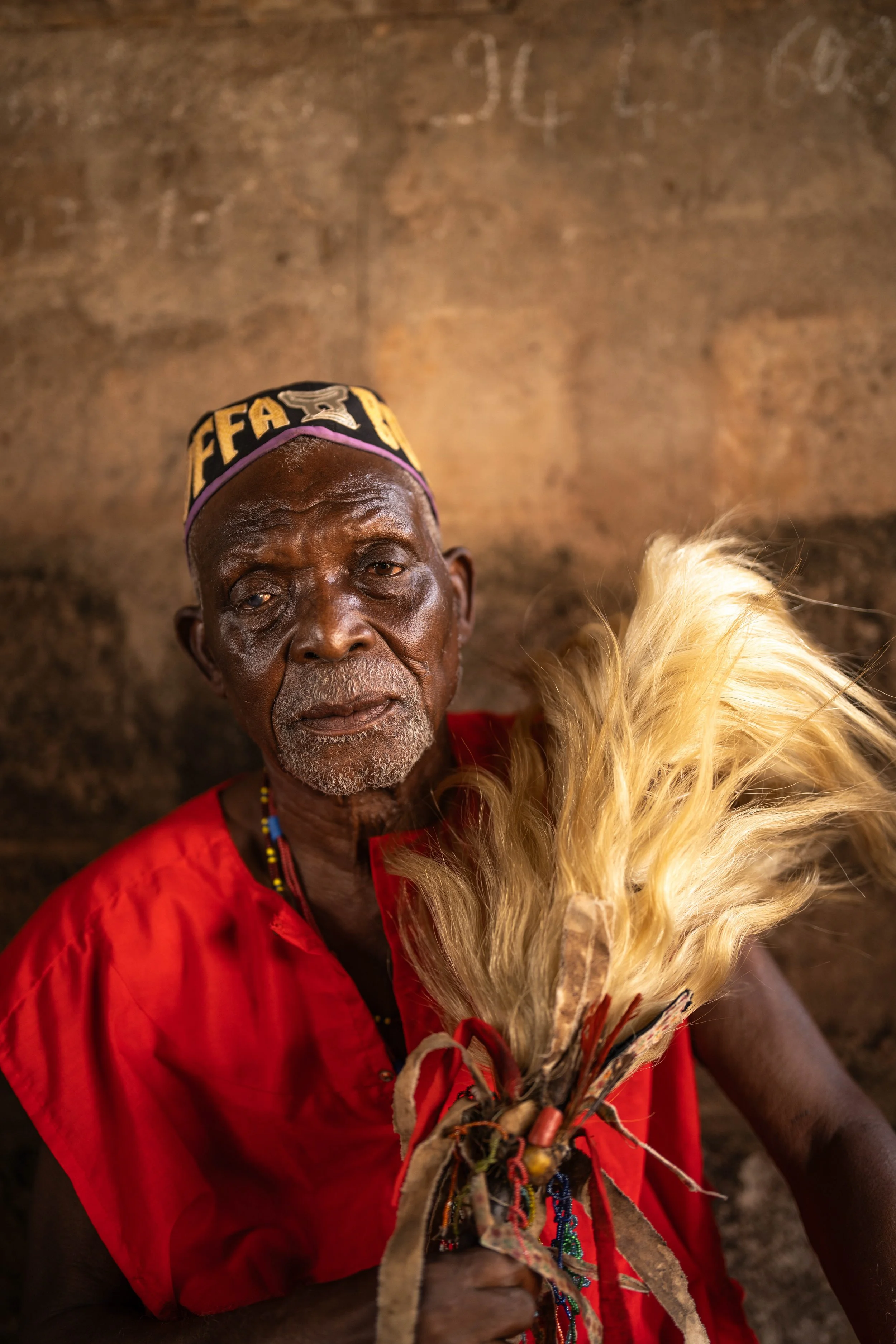
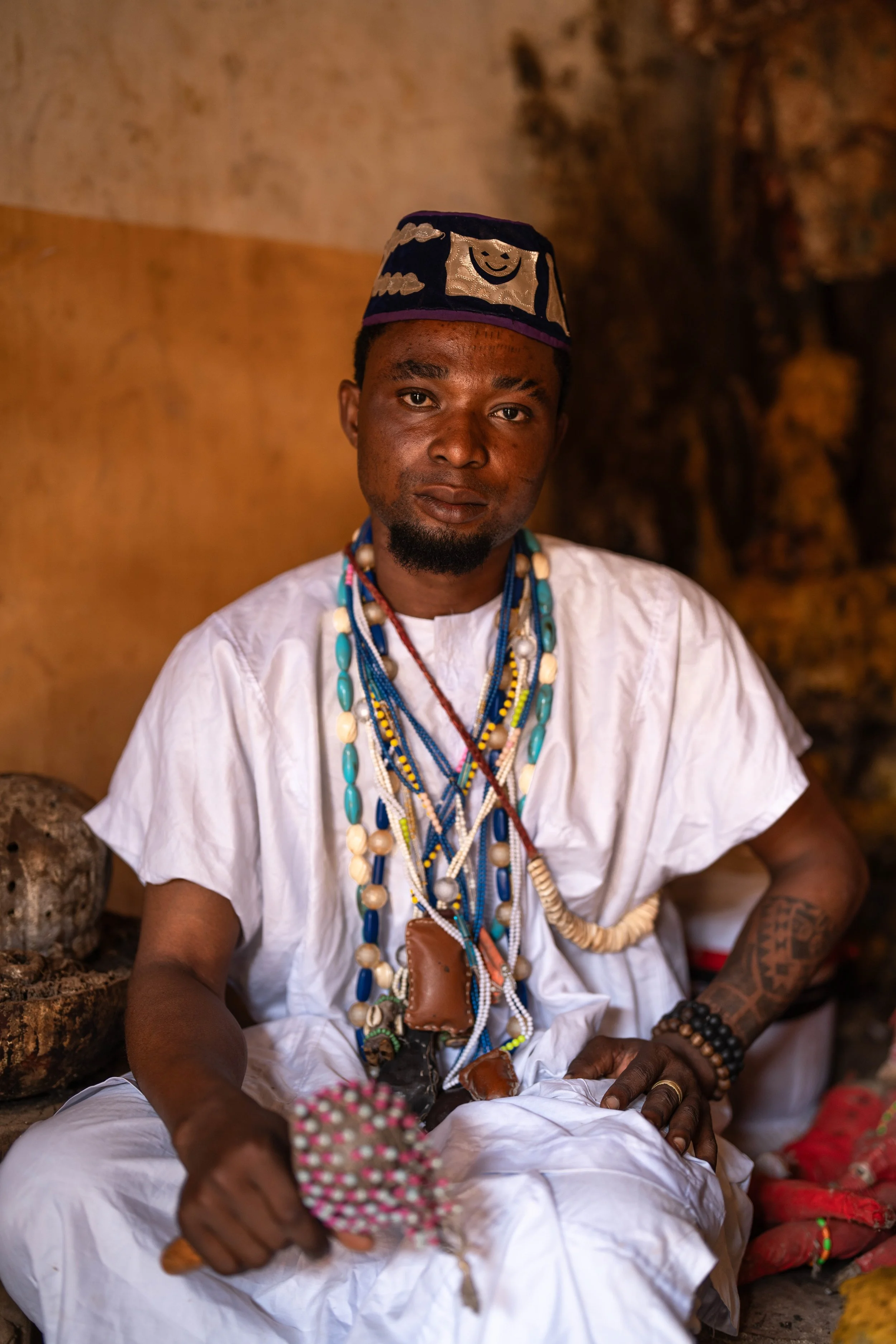
Vodun, more commonly referred to as Voodoo in the West, is an ancient West African religion dating back thousands of years. It originated in what is now Benin — where I traveled to better understand its traditions and beliefs.
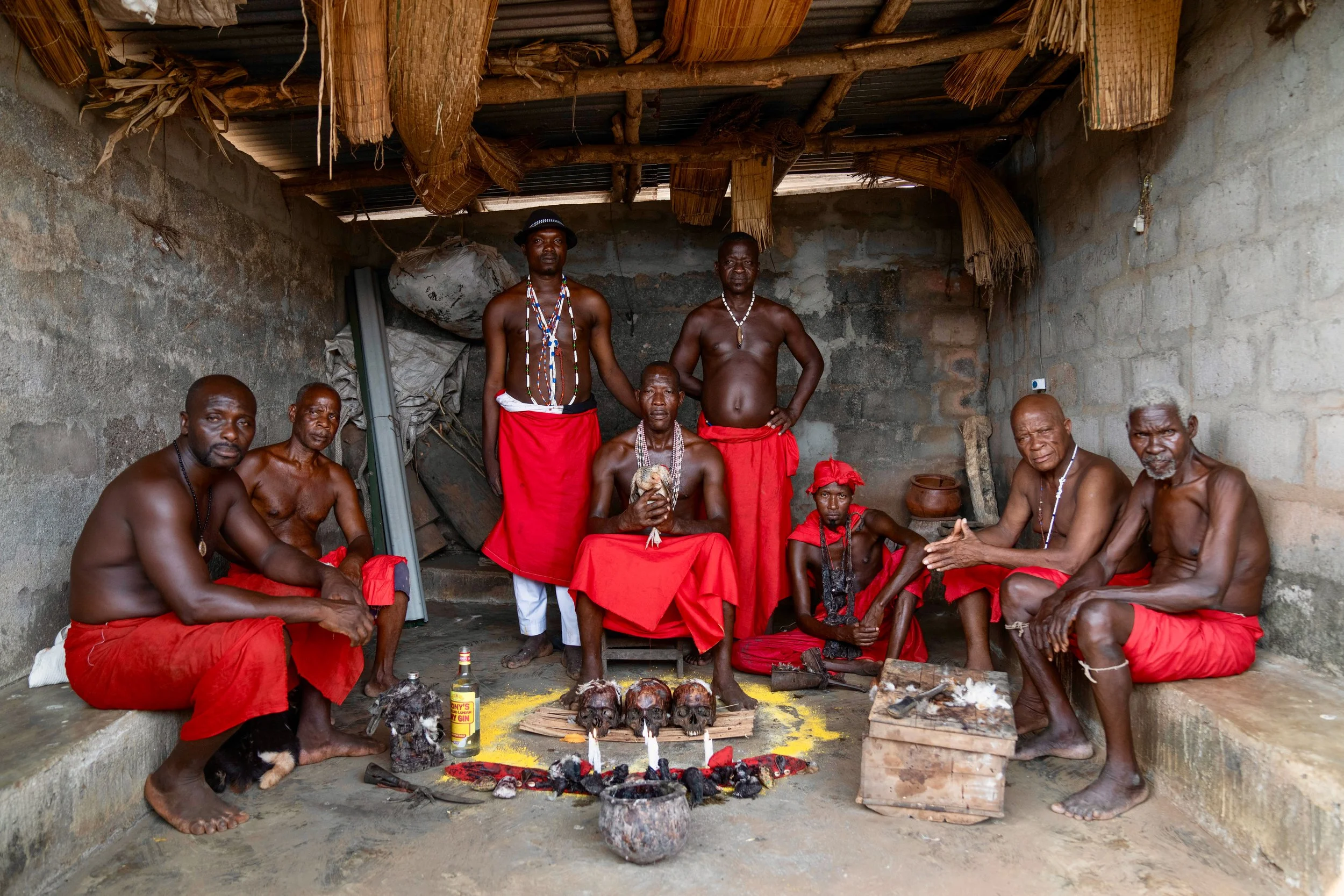
Like many in the West, I grew up with the notion that Vodun was ominous, even evil — an impression shaped largely by inaccurate portrayals in media. In reality, it is a faith much like those we are more familiar with: rooted in community, spirituality, and a connection to ancestral spirits believed to promote health and prosperity.
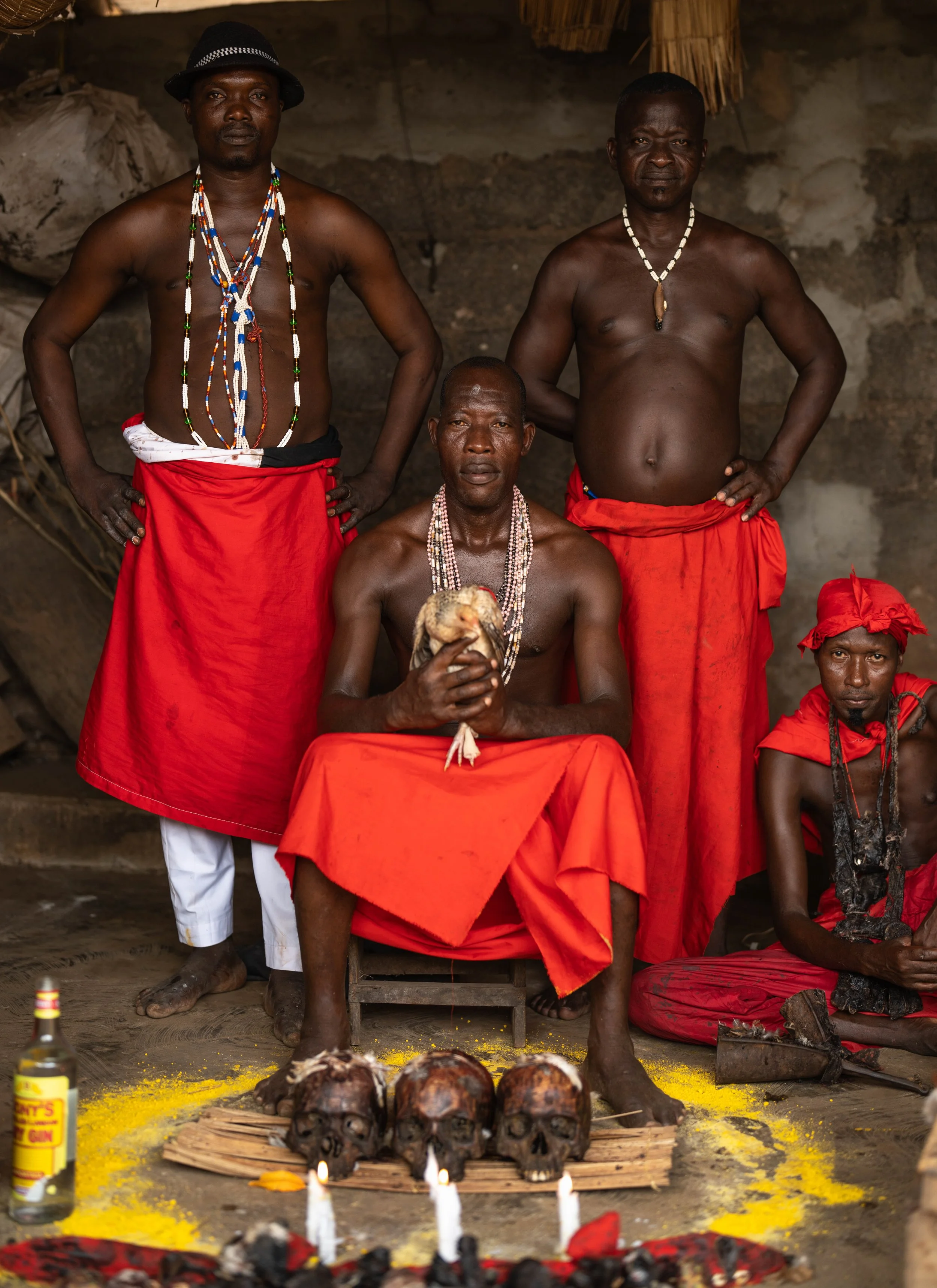
But there is also a darker side.
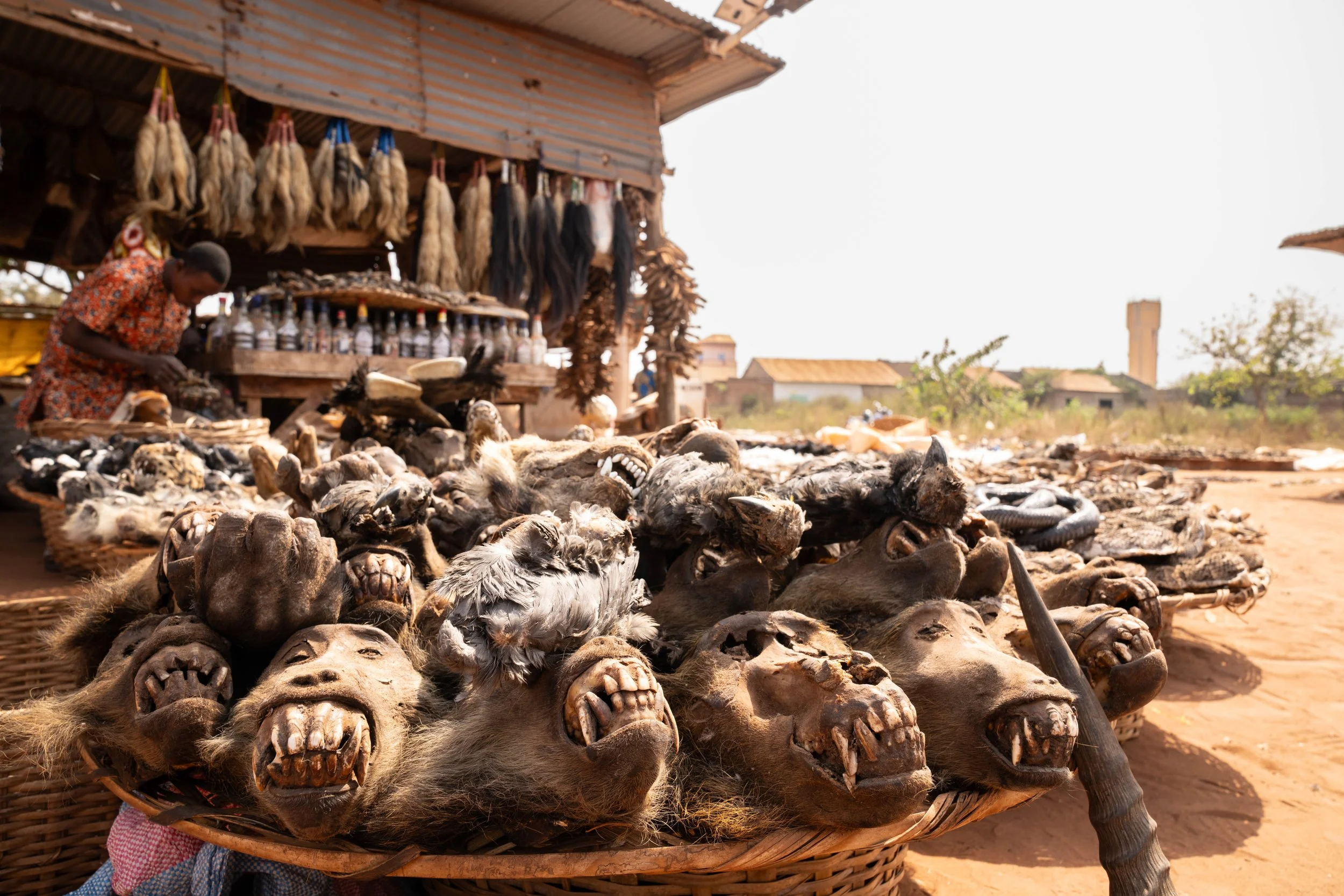
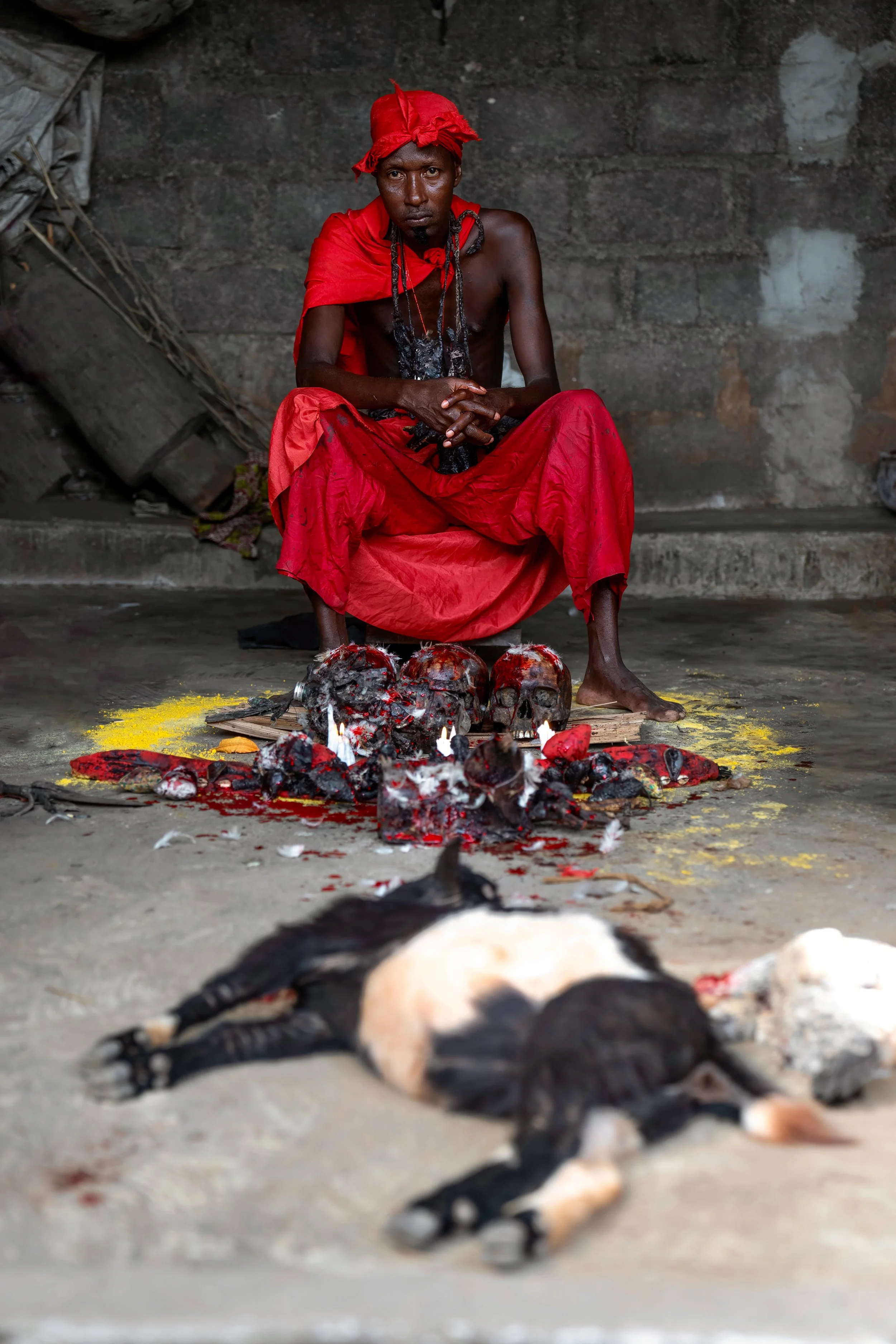
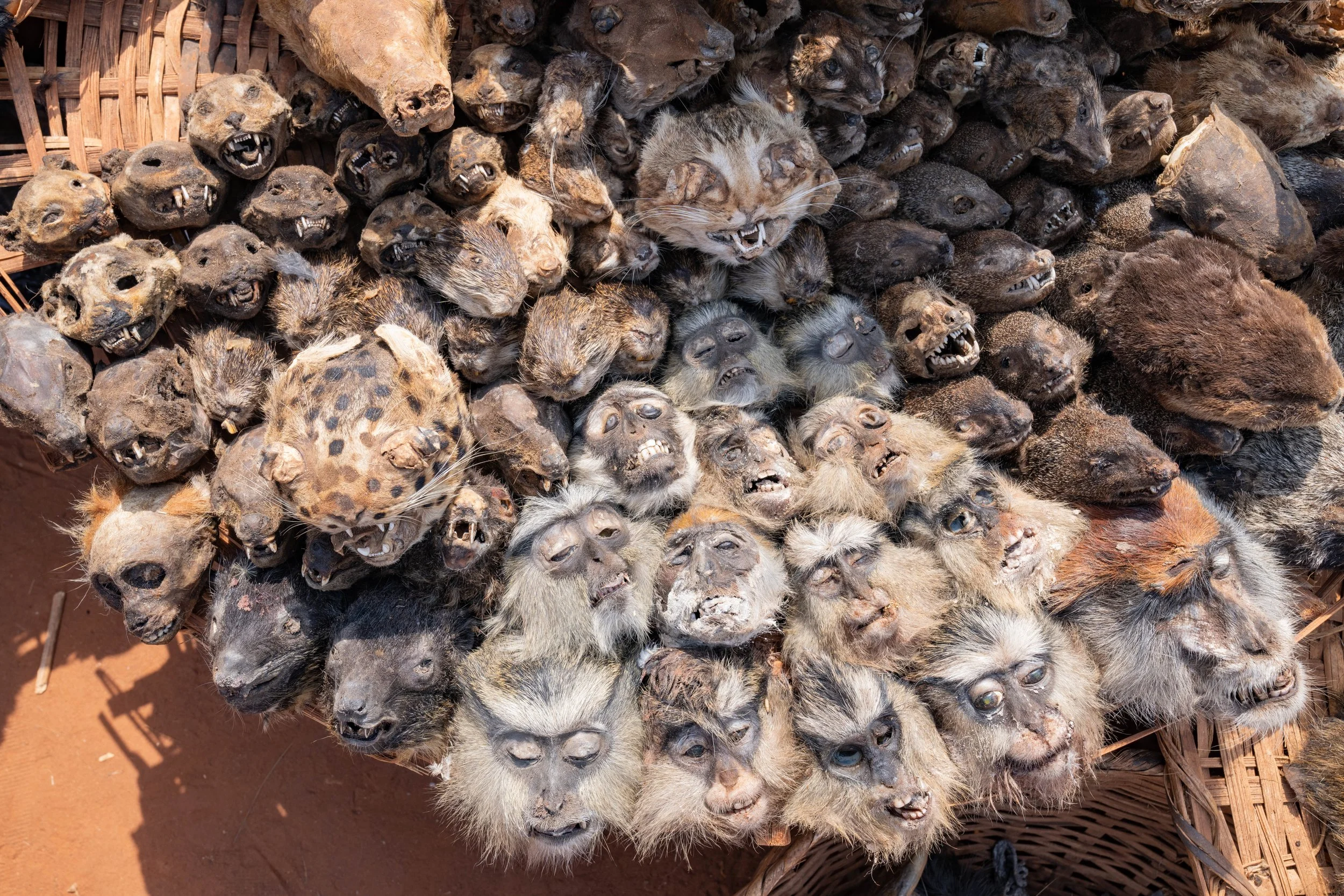
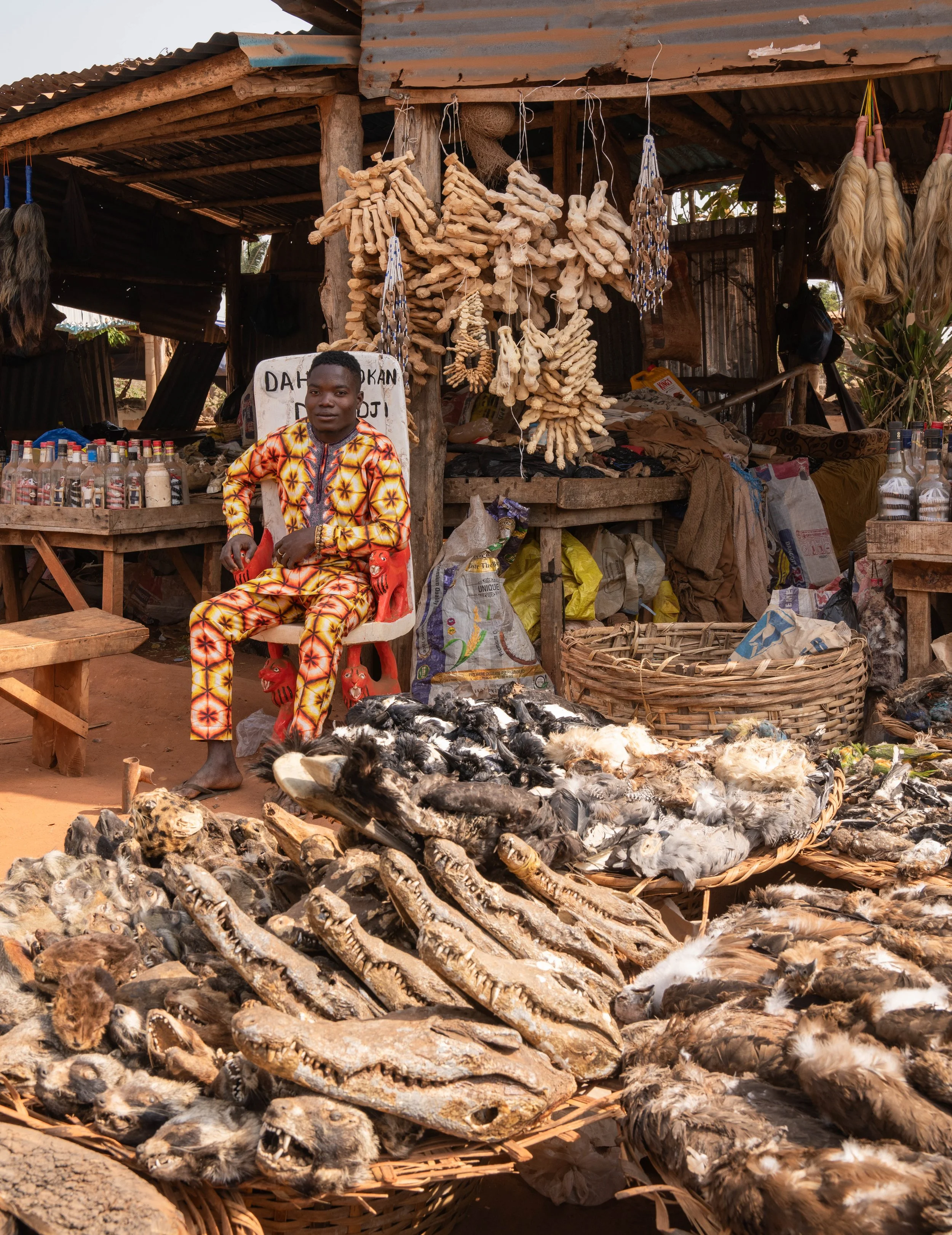
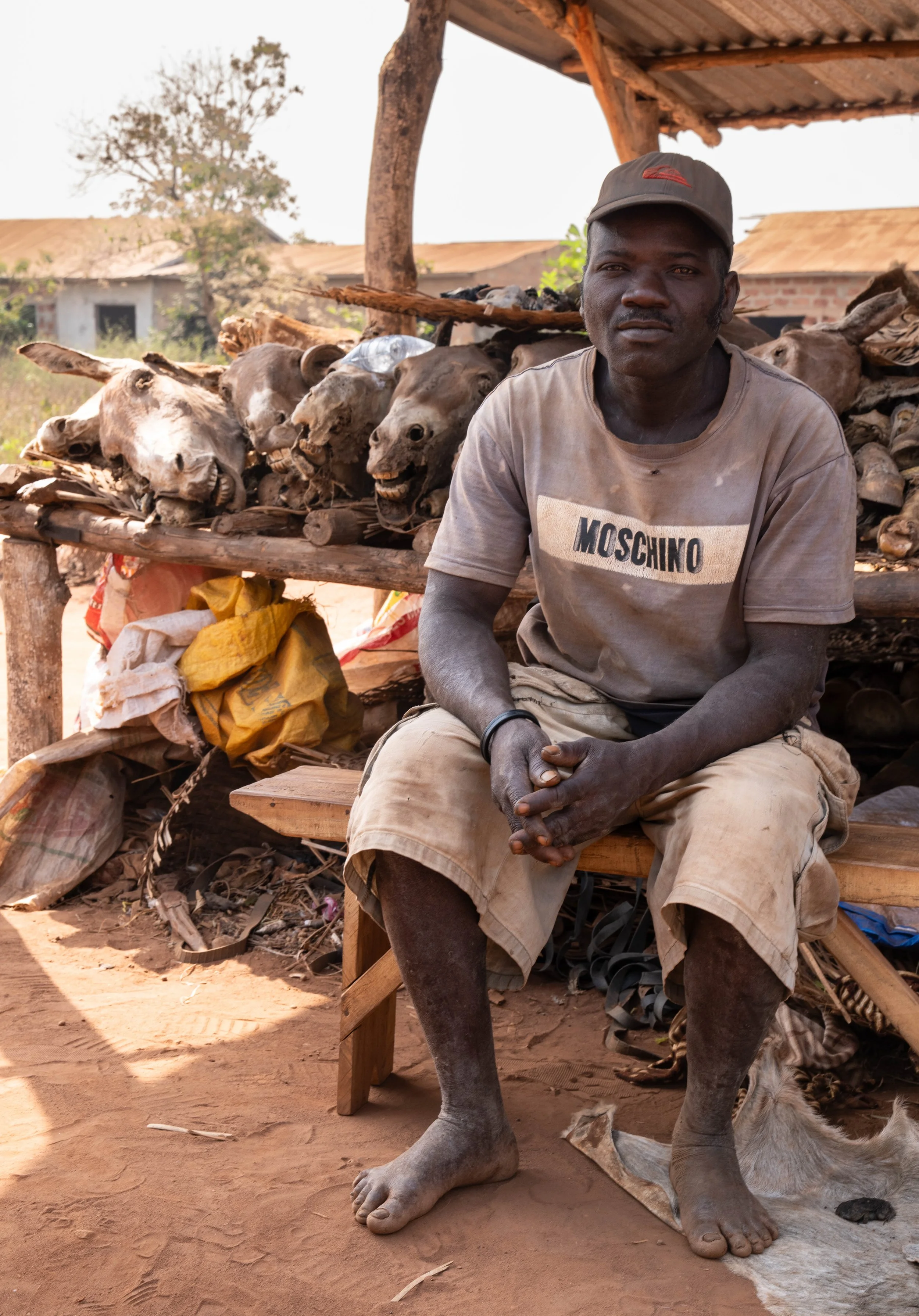
Despite the beauty found within the religion, animal sacrifice remains widely practiced. Some animals — such as goats and chickens — are sacrificed and consumed. Many others are not. From hyenas to baboons, animals are slaughtered, their body parts displayed across stalls in Vodun markets throughout Benin.
Documenting these markets was difficult. As a passionate wildlife advocate, the sheer scale of death was overwhelming. Change will not come easily, given the deep cultural and religious roots of these traditions. But if progress is to happen, these practices must be examined openly and thoughtfully — confronting the cruelty without dismissing the complexity of the faith itself.